

Platform & AI
Chronic Care Platform System Design
The cloud platform under a care management program: one record per patient-month, a full audit history, role-based access and scale for month-end peaks.
Chronic Care Platform System Design is the architecture under Unlimited Systems as it runs a care management program. One cloud platform holds every site and program. The data model treats each patient-month and each monitoring period as a billable unit, every change is kept in an audit history, and role rules guard patient data.



 6,500+ specialty providers
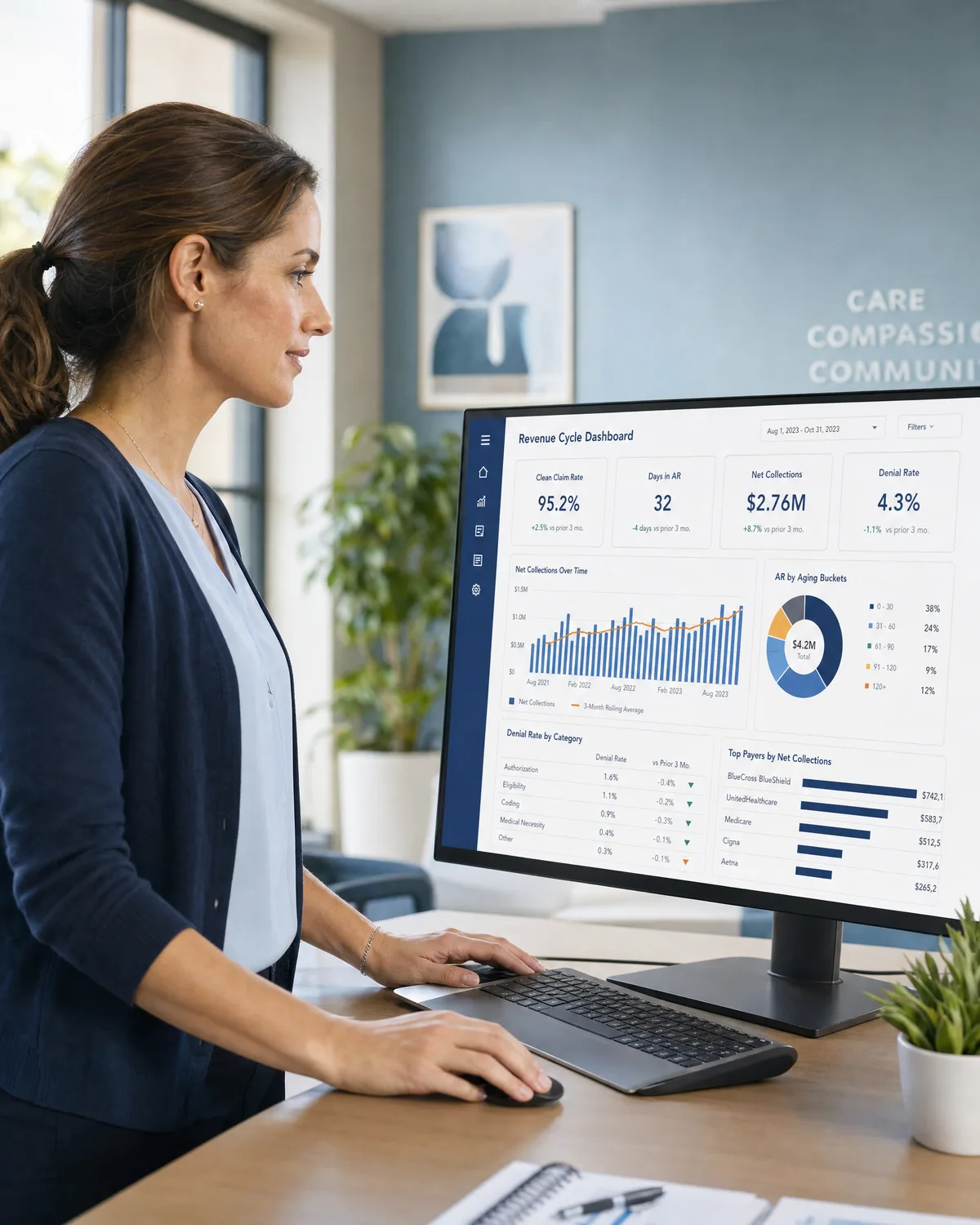
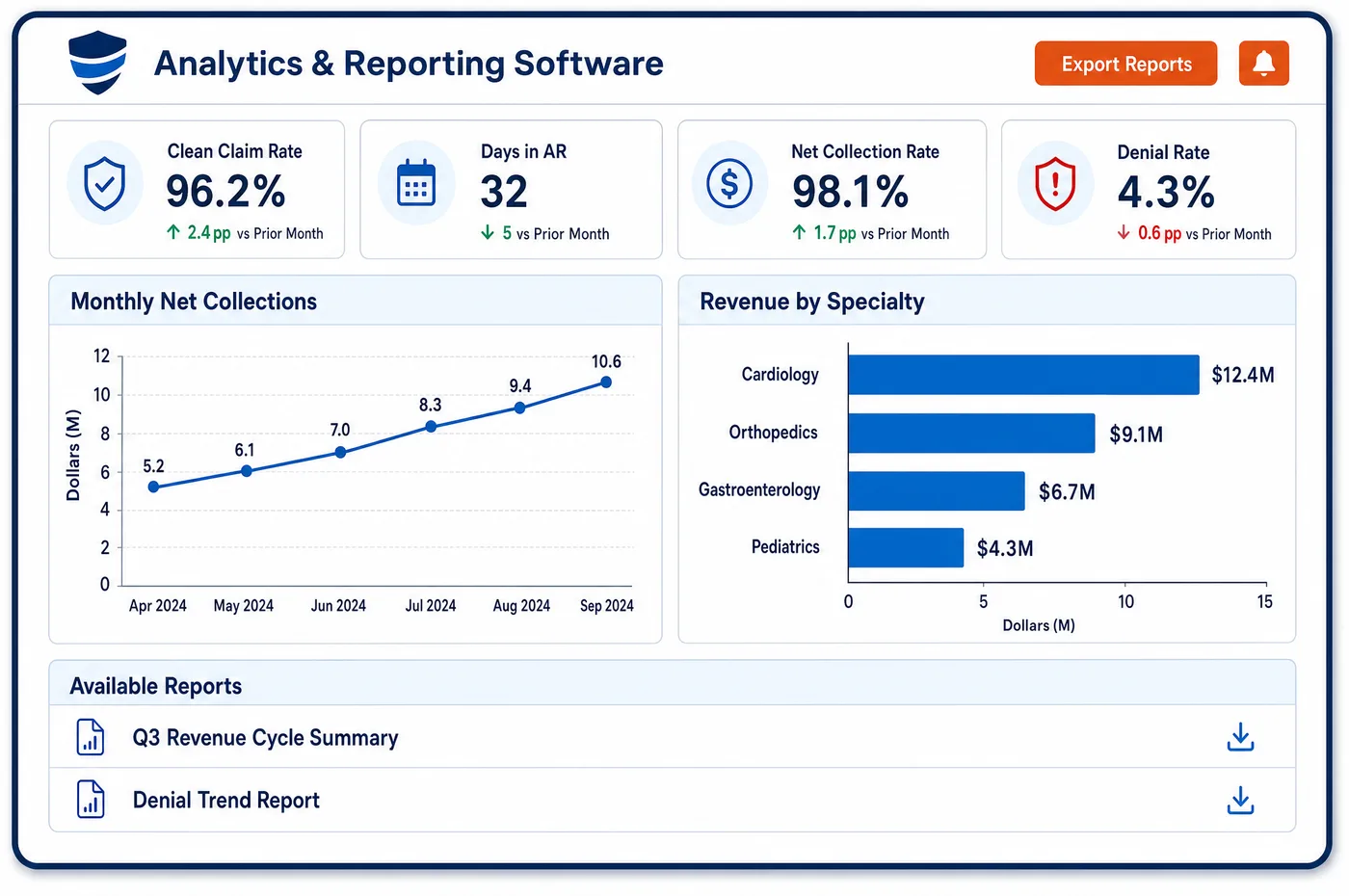
Platform System Design in a Chronic Care Practice
A chronic care program puts unusual loads on a platform. Volume comes in bursts: time entries flow in all month, then claims, status checks and remittances spike after each month closes. The data model has to match the rules. Each patient has a program enrollment with consent, initiating visit and billing practitioner, and each month and each thirty-day monitoring period is its own record. Unlimited Systems runs as a cloud-native platform on Microsoft Azure, with updates that ship automatically. Data is encrypted with AES-256 at rest and TLS 1.3 in transit, and the company maintains SOC 2 Type II assurance reports. Role-based access decides who sees what, so a care manager sees their own panel and a biller sees claims. Every record keeps a full audit history, which matters when a reviewer asks who logged a minute and when. Every site runs on the same platform, with redundant offsite backup.
Why Is Platform System Design Different in Chronic Care?
The data model is where care management billing succeeds or fails. CCM is billed by calendar month, while RPM device supply runs on thirty-day periods. One patient can be in CCM and RPM at once, while a specialist bills PCM for a different condition, and rules decide which services can share a month. A platform that stores only visits and claims can't represent this. Each enrollment, month and monitoring period needs its own record.
Audit history is not optional. A claim for CCM rests on minutes logged by several people across a month. When a Medicare contractor reviews a claim, the practice must show who logged each minute, when, and what was done. Edits after the fact need to show too. Platform system design for chronic care has to keep every change, not just the latest value.
Access has to be tight but practical. Care managers need their own panels, nurses need device data, billers need claims, and leaders need totals. Many care management staff work from home. Role-based access, encryption and a single record across sites let a spread-out team work safely on the same HIPAA-protected data.
What Chronic Care Platform System Design Handles
- Calendar-month service period
- The CCM service period is one calendar month, and only one practitioner can bill CCM per patient per month. Each patient-month is its own record, so the rule can be checked at the data level. (CMS: Frequently Asked Questions About Practitioner Billing for Chronic Care Management Services (updated 2022-08-16))
- Thirty-day monitoring period
- RPM device supply depends on days with readings out of thirty, and only one practitioner can bill remote monitoring per patient in that period. Monitoring periods are stored apart from calendar months. (CMS MLN Booklet: Telehealth & Remote Monitoring (MLN901705, December 2025))
- HIPAA audit controls (45 CFR 164.312)
- The Security Rule requires audit controls that record and examine activity in systems holding health data. Every record keeps a full change history, including who logged each care management minute and when. (eCFR: 45 CFR Part 164 Subpart C, HIPAA Security Standards for the Protection of Electronic PHI)
- Access control and encryption
- The Security Rule also calls for access control and transmission security. Role-based permissions limit what each user sees, and data is encrypted with AES-256 at rest and TLS 1.3 in transit. (eCFR: 45 CFR Part 164 Subpart C, HIPAA Security Standards for the Protection of Electronic PHI)
- Contingency planning
- The Security Rule requires a data backup plan and a disaster recovery plan. The platform keeps redundant offsite backups, so a care management month isn't lost to an outage. (eCFR: 45 CFR Part 164 Subpart C, HIPAA Security Standards for the Protection of Electronic PHI)
How Does Chronic Care Platform System Design Work?
1. Model the program
Each patient's enrollments hold consent, initiating visit, billing practitioner and program type. Calendar months and monitoring periods are separate records under each one.
2. Absorb the month-end peak
Time entries flow in all month, and claims and remittances spike after it closes. Cloud capacity on Microsoft Azure scales with the load, so posting doesn't slow the care team.
3. Guard access by role
Users see what their role needs: a panel, device data, claims or totals. The same role rules apply across every site.
4. Keep every change
Every edit to time, consent and claims is kept with the user and the time it was made. Compliance staff can see the full history of any billed month.
5. Connect the edges
The EHR connection for chronic care and outside data exchange run on the same platform. Unattended billing rules read the same patient-month records staff see.
Chronic Care Platform System Design vs. Generic Software
| Area | Generic approach | Unlimited Systems |
|---|---|---|
| Data model | Visits and claims only. | Enrollments, patient-months and monitoring periods as records. |
| Peak load | Month-end runs slow the whole system. | Cloud capacity scales with month-end volume. |
| Audit trail | Only the latest value kept. | Full change history on every record. |
| Security | Shared logins and local files. | Role-based access, AES-256 at rest and TLS 1.3 in transit. |
| Sites | Separate systems per clinic. | Every site on one platform with one patient record. |
Who Uses It in a Chronic Care Practice
- Compliance lead: A full history of every logged minute, consent and claim, ready when a reviewer asks.
- IT lead: A cloud-native platform on Microsoft Azure with updates that ship automatically and SOC 2 Type II reports to review.
- Practice owner: Room to add sites and patients without changing systems, on a record that holds up under audit.
Chronic Care Platform System Design FAQs
Platform system design decides whether the software can represent care management rules at all. CCM runs by calendar month and RPM device supply by thirty-day period, with rules on which services can share them. A data model with enrollments, patient-months and monitoring periods lets those rules be checked, billed and audited from the same records.
Every time entry is kept with who logged it, when and what was done, and edits keep their history. The HIPAA Security Rule requires audit controls for systems holding health data, and a care management audit asks the same questions. The practice can show the full record for any billed month.
Unlimited Systems is cloud-native on Microsoft Azure, with updates that ship automatically. Capacity scales as load rises, which matters at month end when claims, status checks and remittances spike. Data is backed up offsite in redundant copies. Users reach the platform through a web browser from the office or from home.
Data is encrypted with AES-256 at rest and TLS 1.3 in transit. Role-based permissions limit each user to what their job needs, such as a care manager's own panel. The company maintains SOC 2 Type II assurance reports and runs monthly penetration audits.
Several sites run on one platform with one patient record, so a patient seen at two clinics has a single enrollment and a single monthly history. Reports and dashboards roll up across sites or split by site. That also makes it easier to confirm that only one practitioner bills CCM for the patient each month.
Remote monitoring periods are stored apart from calendar months, since device supply depends on days with readings out of thirty. Each period holds its own day count and its own code, 99445 or 99454. Treatment management time for 99457 or 99470 is still counted by calendar month.
Related Chronic Care Software
Platform & AI
In the revenue cycle
Platform System Design for related specialties
Sources
- CMS: Frequently Asked Questions About Practitioner Billing for Chronic Care Management Services (updated 2022-08-16)
- CMS MLN Booklet: Telehealth & Remote Monitoring (MLN901705, December 2025)
- eCFR: 45 CFR Part 164 Subpart C, HIPAA Security Standards for the Protection of Electronic PHI
- Noridian Medicare (Jurisdiction F Part B): Remote Physiologic Monitoring (RPM) 2026 Evaluation and Management Updates
GET STARTED
See Unlimited Systems in Action
Whether you're actively evaluating new technology or simply preparing for your next vendor renewal, Unlimited Systems can help you understand where your current workflows may be creating avoidable revenue risk.