

Front office
Allergy & Immunology Patient Engagement Software
Shot reminders, test prep notes, asthma check-ins, recalls and text-to-pay that keep allergy patients on track between visits.
Allergy & Immunology Patient Engagement Software keeps allergy patients on track between visits. It sends shot reminders from the live schedule, skin test prep notes, food challenge and biologic visit instructions, asthma check-ins and recall messages. Patients confirm, rebook or pay by text, and every reply lands on the record staff use.



 6,500+ specialty providers

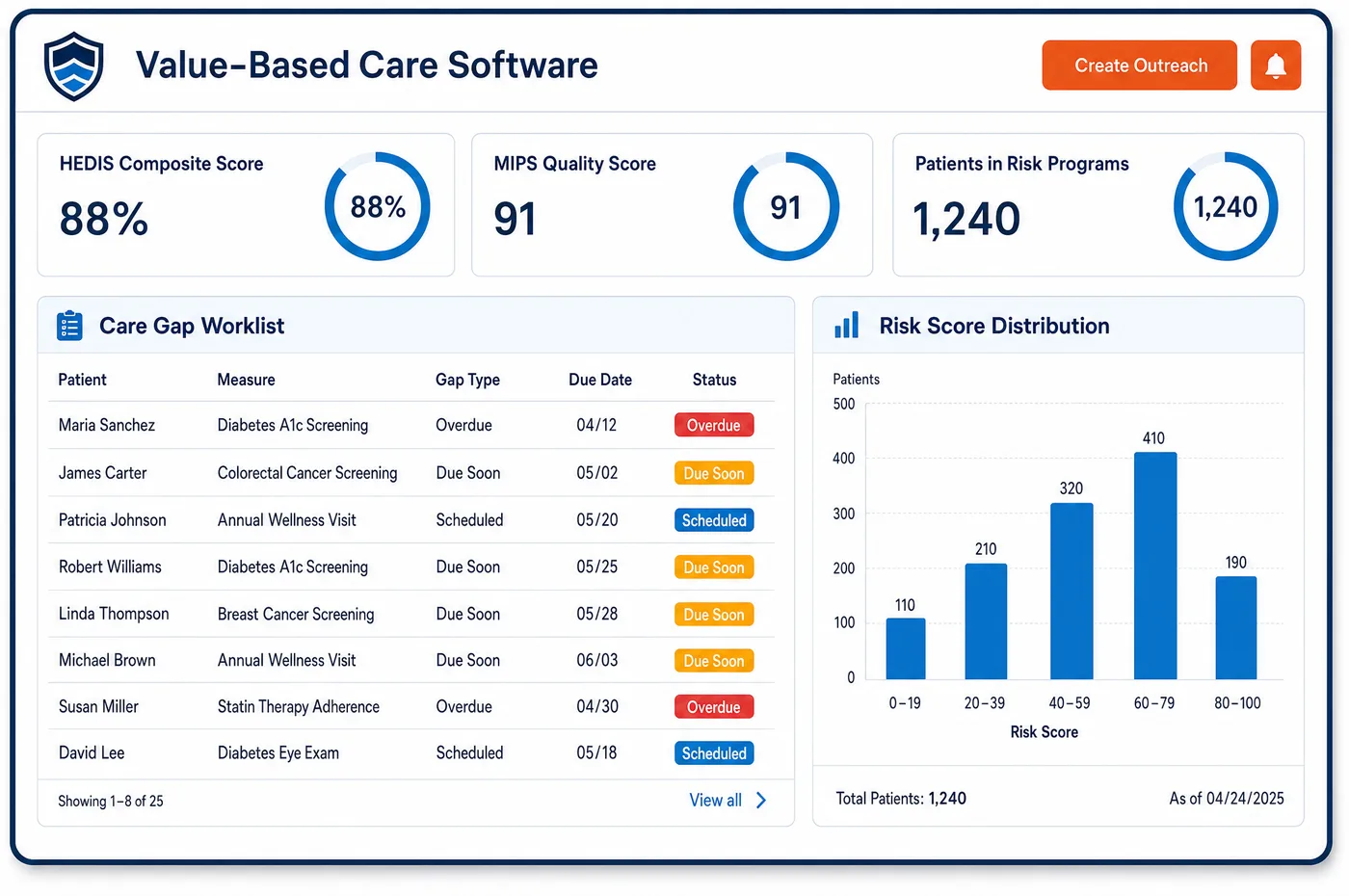
Patient Engagement in a Allergy & Immunology Practice
Engagement in allergy follows the treatment plan. A patient in build-up gets a reminder before each shot visit, and a missed visit triggers a text with open times. A skin test patient gets the allergist's medicine hold note before the visit, in plain language. A food challenge patient gets the prep list the allergist uses. Biologic patients are reminded of each dose and told to plan for the wait after it. Between visits, practices can send a short asthma control check, and the score is saved to the record. Patients due for a reassessment get a recall with a link to book. Allergy & immunology patient engagement software reads from the live schedule and ledger, so messages match what staff see. The portal shows upcoming shots, past visits and balances. Patients with frequent copays can pay by text or keep a card on file, and each payment posts to the account.
Why Is Patient Engagement Different in Allergy & Immunology?
Allergy shots only work if patients keep coming. Build-up can mean a shot visit every week or more, and the course can run for years. Busy families and working adults miss visits, and each gap can mean a lower dose next time. Reminders that follow the real schedule, plus a quick way to rebook, keep the course on track.
Many messages in allergy carry instructions, not just a time. Skin test patients need to know which medicines to stop and when. Food challenge patients may need to bring the food. Biologic patients need to plan for observation after each dose. A generic reminder that says only the date leads to wasted slots and rescheduled tests.
Allergy is also seasonal and long term. Symptoms flare with pollen seasons, asthma control changes, and biologic approvals come up for renewal. Patient engagement in allergy keeps a steady line open between visits, with short check-ins, recall messages and a patient portal that shows upcoming shots and balances.
What Allergy & Immunology Patient Engagement Software Handles
- Reassessment recalls
- The CGS shot policy expects patients on immunotherapy to be reevaluated at regular intervals. Patients due for that visit get a recall message with a link to book, and the outreach is logged on the record. (CMS Medicare Coverage Database, LCD L40056: Allergen Immunotherapy (AIT) with Subcutaneous Immunotherapy (SCIT) (CGS))
- Observation reminders for biologics
- The omalizumab billing article calls for observation after each dose in a setting ready to manage anaphylaxis. Biologic visit reminders tell patients to plan for that wait, so fewer try to leave early. (CMS Medicare Coverage Database, Billing and Coding Article A52448: Omalizumab)
- Biologic renewal updates
- Payers such as UnitedHealthcare renew Nucala and Fasenra approvals only with proof of response, such as fewer exacerbations or less rescue inhaler use. A short symptom check sent before renewal gives the physician the patient's own report to add. (UnitedHealthcare Commercial Medical Benefit Drug Policy 2026D0055AA: Respiratory Interleukin-5 Inhibitor)
- Asthma control check-ins
- UnitedHealthcare's policy uses the Asthma Control Test and the ACQ as measures of control. Practices can send the ACT by text between visits, and the score is saved to the record with the date. (UnitedHealthcare Commercial Medical Benefit Drug Policy 2026D0055AA: Respiratory Interleukin-5 Inhibitor)
- New vial notices (Medicare)
- Medicare pays for a reasonable supply of antigens, described as no more than a twelve-month supply at one time. When a patient's vial nears its end, a message tells the patient that a new vial is being made and what to expect at the next shot. (Medicare Benefit Policy Manual, Chapter 15, Section 50.4.4.1: Antigens)
How Does Allergy & Immunology Patient Engagement Software Work?
1. Set channels and contacts
Each patient's preferred channel, language and contacts are stored on the record. For children, messages go to the linked parent or guardian.
2. Remind with instructions
Reminders follow the live schedule and carry the right note for the visit. Skin test, food challenge and biologic visits each get their own prep text.
3. Rebook missed shots
A missed shot triggers a text with open times. Repeat misses go to a staff list, and the nurse sees the gap before the next dose, as set up in allergy patient scheduling.
4. Check in between visits
Short asthma control checks go out on the plan the physician sets. Scores come back to the record, which helps at reassessment and at biologic renewal time.
5. Collect copays by text
Shot patients can pay copays by text link or with a card on file. Payments post to the ledger, and balance questions go to allergy patient billing.
Allergy & Immunology Patient Engagement Software vs. Generic Software
| Area | Generic approach | Unlimited Systems |
|---|---|---|
| Reminders | Same message for every visit type. | Visit-specific notes for testing, challenges and biologics. |
| Missed shots | Noticed at the next visit. | Text with open times sent after the miss. |
| Asthma control | Asked only at visits. | Check-ins between visits saved to the record. |
| Reassessment | Patients drift past their review. | Recall messages with a link to book. |
| Copays | Collected at the window every visit. | Paid by text or card on file and posted to the ledger. |
Who Uses It in a Allergy & Immunology Practice
- Front desk: Fewer confirmation calls and fewer wasted testing slots, since reminders carry prep notes and patients confirm by reply.
- Allergy nurse: Missed-shot alerts and patient replies on the record, so dose changes after a gap are caught before the next shot.
- Billing manager: Copays collected by text-to-pay or card on file, with each payment posted to the account, and fewer small balances left open.
Allergy & Immunology Patient Engagement Software FAQs
Patient engagement in an allergy practice sends shot reminders, skin test prep notes, food challenge and biologic visit instructions, asthma control check-ins and recall messages. Messages read from the live schedule and ledger. Patients confirm, rebook or pay by reply, and each reply is saved on the record staff work from.
The allergist decides which medicines to stop before skin testing and for how long. That note goes out with the visit reminder in plain words, and a second reminder can follow closer to the visit. Patients who reply that they took a medicine can be called and moved before the slot is lost.
Shot reminders follow the treatment plan, so a patient in build-up hears from the practice before each visit. After a missed visit, a text offers open times. Repeat misses go to staff for a call. Keeping gaps short matters, since a long break in build-up can mean the next dose is lowered.
Biologic patients get a reminder before each dose with a note to plan for the wait after it. Before the approval comes up for renewal, a short symptom check can go out, so the physician has the patient's own report of flares and inhaler use to add to the renewal request.
Messages for children go to the parent or guardian linked on the record. Families with several children in care can see each child's upcoming shots and visits in the portal. Contact consent and opt-outs are tracked, and messages leave out clinical details, giving only the time, place and prep note.
Patients who come in often for shots can pay copays by text link or keep a card on file. Each payment posts straight to the patient's account, so the portal and the next statement show the right balance. That saves time at the window during busy shot clinic hours.
Related Allergy & Immunology Software
Front office
Patient Engagement for related specialties
Sources
- CMS Medicare Coverage Database, LCD L40056: Allergen Immunotherapy (AIT) with Subcutaneous Immunotherapy (SCIT) (CGS)
- CMS Medicare Coverage Database, Billing and Coding Article A52448: Omalizumab
- UnitedHealthcare Commercial Medical Benefit Drug Policy 2026D0055AA: Respiratory Interleukin-5 Inhibitor
- Medicare Benefit Policy Manual, Chapter 15, Section 50.4.4.1: Antigens
GET STARTED
See Unlimited Systems in Action
Whether you're actively evaluating new technology or simply preparing for your next vendor renewal, Unlimited Systems can help you understand where your current workflows may be creating avoidable revenue risk.