

Platform & AI
Dermatology Interoperability Software
Exchange data with pathology labs, payers, referring offices and registries in the standard formats each of them already speaks.
Dermatology Interoperability Software lets a skin practice trade data with the outside parties it depends on. Pathology labs return biopsy results, payers exchange eligibility and remittances, referring clinicians send patients and records, and registries receive reports. Standard formats such as HL7, FHIR and X12 carry each exchange, so no one needs a custom file for every partner.



 6,500+ specialty providers

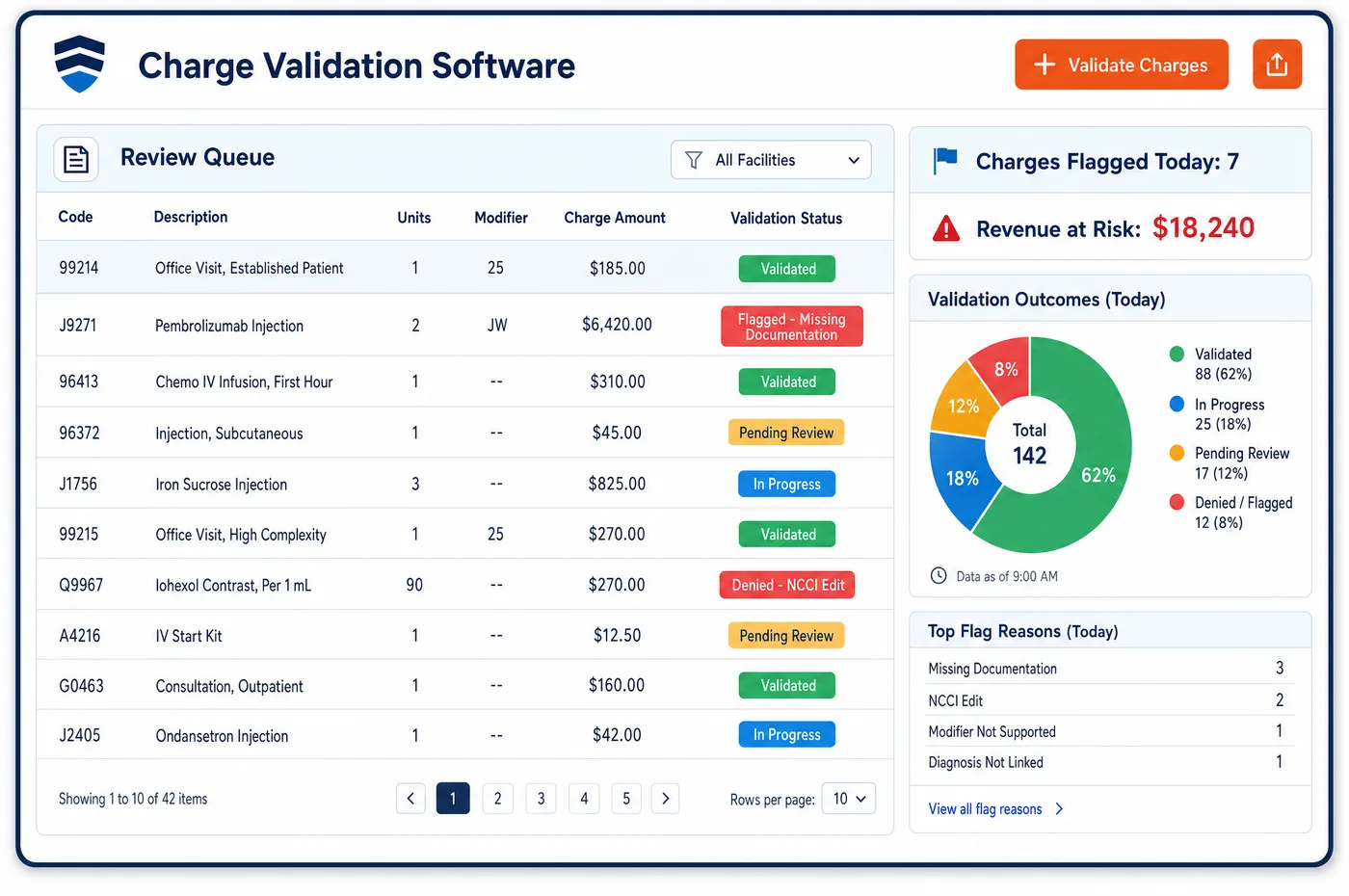
Interoperability in a Dermatology Practice
A skin practice is rarely alone in a patient's care. A biopsy goes to a dermpath lab, and a result comes back. A primary care office refers a patient with a changing mole. A payer answers a coverage inquiry and later sends a remittance. Unlimited Systems exchanges data with each using the format that party supports. HL7 messages and FHIR resources carry clinical data and results. X12 transactions carry claims, eligibility, status and remittances. Each exchange is logged, so staff can see what was sent, what came back and what failed. Results are matched to the right patient and the right pending claim. Referrals and reports reach the person who needs them. How a given partner connects is set during setup and tested before it is used for real patients.
Why Is Interoperability Different in Dermatology?
Interoperability matters in dermatology because the ratio of outside results to visits is high. Nearly every biopsy and many excisions depend on a pathologist who may sit in another building or another company. If that report arrives by fax or a portal login, someone must read it, find the patient and attach it by hand. Standard exchange moves that step off the staff and onto the system.
Referrals matter too. Many patients arrive from primary care for a lesion check, and a good share leave with a plan that other clinicians need to see. Sending the visit summary back to the referrer, in a form their system can read, keeps the relationship healthy. For the practice, that is a matter of getting patients back to the right clinician, not only of billing.
Payers add their own formats. Medicare and most commercial plans use X12 transactions under HIPAA for claims, eligibility, status and remittances. Registries and quality programs have their own file layouts. Interoperability in dermatology means being able to speak all of these without rebuilding the system each time a partner changes. This is a different job from EHR integration, which joins the practice's own chart and billing system.
What Dermatology Interoperability Software Handles
- Pathology result exchange
- Results from an outside dermpath lab can arrive as electronic messages and attach to the right patient and held claim. When the practice reads its own slides, billing follows the rules in 42 CFR 414.50 for who may bill the interpretation. (eCFR: 42 CFR 414.50, Physician or other supplier billing for diagnostic tests performed or interpreted by a physician who does not share a practice)
- Lab certification and result handling
- Labs that test specimens must hold CLIA certification for the tests they perform. Practices keep the lab's certificate with the exchange setup, so staff know which lab a result came from. (CMS: Clinical Laboratory Improvement Amendments (CLIA))
- X12 eligibility, status and remittance
- HIPAA adopts X12 standards for claims, eligibility, claim status and remittance advice. The same transactions run between the practice and each payer, and every send and reply is logged. (CMS: Adopted Standards and Operating Rules (HIPAA transactions))
- 276 and 277 claim status
- Claim status asks use the 276 request and 277 response pair. Answers are stored on the claim, which feeds the work queues staff use each day. (X12 transaction sets: 276/277 claim status, 835 and 837)
- Registry reporting
- The American Academy of Dermatology runs the DataDerm clinical data registry. A practice that takes part decides which data to share, and the exchange layer helps prepare those extracts. (American Academy of Dermatology: DataDerm clinical data registry)
- De-identified data for analysis
- When data leaves the practice for research or benchmarking, HIPAA's de-identification methods describe how to strip identifiers. The practice's privacy officer chooses the method and signs off before any file is shared. (HHS Office for Civil Rights: Guidance on De-identification of Protected Health Information under the HIPAA Privacy Rule)
How Does Dermatology Interoperability Software Work?
1. List the partners
Interoperability starts with a list. The practice names each outside party, such as its pathology labs, main referrers, payers and any registry. For each, it records what data flows and in which format.
2. Connect and test
Each connection is built and tested with sample messages. Staff confirm that a result lands on the right patient and that a test claim response reads correctly.
3. Match and file results
Incoming results are matched to a patient and, where one is waiting, to the held claim. Anything that does not match goes to a queue for a person to resolve.
4. Send what others need
Referral replies, orders and registry extracts go out in the format the receiver uses. Each send is logged with a time and a status.
5. Watch and repair
Managers see failed and late exchanges by partner. Repeat problems point to a partner setup that needs a fix, and trends can feed dermatology analytics for review.
Dermatology Interoperability Software vs. Generic Software
| Area | Generic approach | Unlimited Systems |
|---|---|---|
| Pathology reports | Faxed or downloaded from a portal and filed by hand. | Received electronically and matched to the patient and claim. |
| Payer exchange | Separate logins and manual entry for each payer. | Standard transactions run for every payer and are logged. |
| Referrals | Paper summaries mailed or faxed back. | Replies sent in a format the referrer's system reads. |
| Registry data | Spreadsheets built by hand each reporting season. | Extracts prepared from live data under the practice's control. |
| New partners | A fresh custom build for each one. | Standard formats reused, with a test before go-live. |
| Interoperability upkeep | Fixed only when a partner calls to complain. | Failed exchanges shown in a queue by partner. |
Who Uses It in a Dermatology Practice
- Medical assistant: Pathology results already on the patient's record, with no need to chase a fax. Anything that fails to match shows up in a short list.
- Billing manager: Payer exchanges that run in the same format every time, with a log of every request and answer, which helps in any claim status dispute.
- Practice owner: Interoperability that can add a new lab, a new referrer or a registry without a long project, and a record of what data left the practice.
Dermatology Interoperability Software FAQs
Interoperability means the practice can send and receive data with outside parties in standard formats. In dermatology that mostly covers pathology labs, payers, referring clinicians and registries. The point is that results, claims and records move without re-typing, and that each exchange leaves a log that staff can read.
HL7 and FHIR carry clinical messages such as orders, results and referrals. X12 transactions carry claims, eligibility, claim status and remittances between the practice and payers. HIPAA adopts the X12 standards for these financial exchanges. Which format a partner uses depends on the partner, so each connection is set up and tested.
A result arrives as an electronic message and is matched to the patient. If the claim is on hold waiting for it, the match links the two, and the claim moves to a coder. Results that cannot be matched go to a short queue for a person to resolve.
The American Academy of Dermatology runs DataDerm, and the practice decides whether and what to share. The exchange layer can help prepare extracts from live data. The practice remains in control of which data leaves, and its privacy officer should review the file before it is sent.
They are related but different. Connecting billing to the practice's own chart is EHR integration. Interoperability covers every outside party, such as labs, payers, referrers and registries. The two share standards, which is why a practice with one often finds the other easier to add.
Each send and receive is logged with a status. Failed or late items appear in a queue, and managers can view them by partner. A repeat problem with one lab or payer points to a setup issue that can be fixed once, instead of being worked around every day.
Related Dermatology Software
Platform & AI
In the revenue cycle
Interoperability for related specialties
Sources
- eCFR: 42 CFR 414.50, Physician or other supplier billing for diagnostic tests performed or interpreted by a physician who does not share a practice
- CMS: Clinical Laboratory Improvement Amendments (CLIA)
- CMS: Adopted Standards and Operating Rules (HIPAA transactions)
- X12 transaction sets: 276/277 claim status, 835 and 837
- American Academy of Dermatology: DataDerm clinical data registry
- HHS Office for Civil Rights: Guidance on De-identification of Protected Health Information under the HIPAA Privacy Rule
GET STARTED
See Unlimited Systems in Action
Whether you're actively evaluating new technology or simply preparing for your next vendor renewal, Unlimited Systems can help you understand where your current workflows may be creating avoidable revenue risk.