

Platform & AI
Behavioral Health Platform System Design
The cloud design under a behavioral health agency: programs, sites, CCBHC partners and entities in one record, with tight limits on sensitive data.
Behavioral Health Platform System Design is the architecture under the Unlimited Systems platform as it runs a behavioral health agency. One cloud database holds every entity, program, site and Tax ID. Role and location rules limit who sees psychotherapy notes and substance use records, every change is recorded, and capacity scales on its own as volume grows.



 6,500+ specialty providers

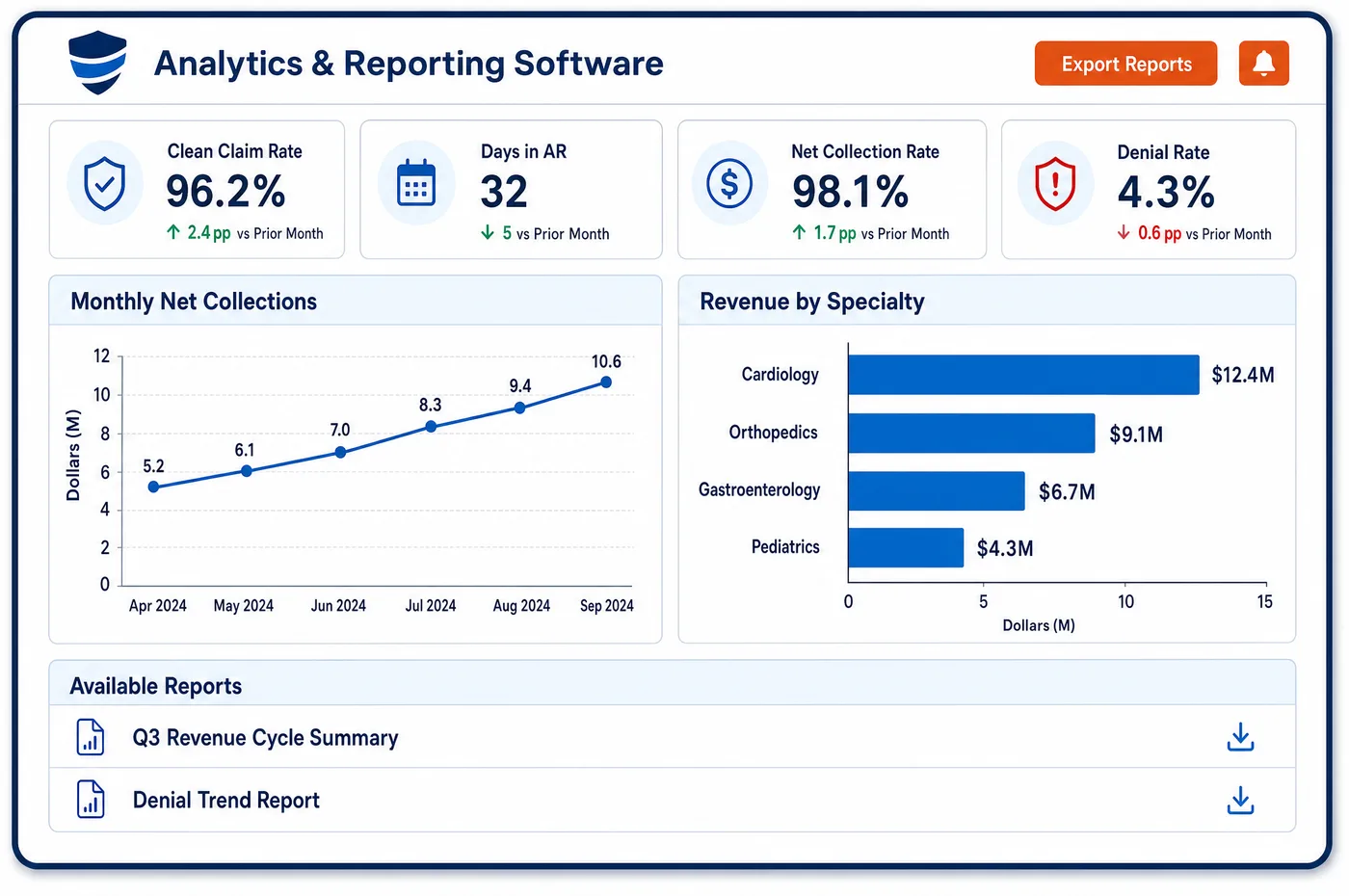
Platform System Design in a Behavioral Health Practice
A behavioral health agency is often several businesses in one. It may run outpatient clinics, a CCBHC, crisis teams, school-based services, a residential program and a separate counseling practice, each with its own site, license or Tax ID. Unlimited Systems models them in one tiered hierarchy within a single database, so each part keeps its own books while leaders see the whole. Rules can be set once and shared across related entities. Site-based security limits client search to the sites a user works at. Permissions set what each role and each interface can reach. That lets a Part 2 program sit inside a larger organization with tighter access. The platform runs in the Microsoft cloud, with data copied across regions and AES-256 encryption on its pipelines. Staff sign in once through Azure Active Directory. Compute and storage scale automatically with volume. The core record keeps every data change, which supports audits.
Why Is Platform System Design Different in Behavioral Health?
Behavioral health agencies grow by adding programs. A clinic adds crisis services, then case management, then a CCBHC certification with partner agencies. Some programs are funded by grants, some by Medicaid plans, and some by county contracts. Platform system design has to let a new program, site or entity be added without a new system, and keep its money and data in the right place.
This data is among the most private in health care. HIPAA gives psychotherapy notes extra protection. 42 CFR Part 2 covers records from federally assisted substance use programs, and such a program can be one unit inside a larger agency. Child and family services add more limits. A design that lets every user see every chart is not acceptable. Access has to follow role, site and program.
Care also happens far from the clinic. Staff document in homes, schools, shelters and mobile crisis vans, and many sessions happen by video. The platform has to work from a browser anywhere, stay fast during busy posting days, and keep a full history for audits. Medicaid reviews can take back payment when the record does not support a claim. A full record of what changed, and when, matters.
What Behavioral Health Platform System Design Handles
- HIPAA Security Rule safeguards
- The Security Rule expects access controls and audit controls for electronic health data. Permissions limit who reaches each record, and every data change is kept for review. (HHS: The HIPAA Security Rule)
- Psychotherapy notes (45 CFR 164.501)
- HIPAA defines psychotherapy notes as notes kept apart from the rest of the record. Permissions keep clinical detail away from roles that only need billing data. (45 CFR 164.501: Definitions, including psychotherapy notes)
- Part 2 programs inside larger agencies
- Part 2 covers federally assisted substance use programs, including an identified unit inside a larger organization. Location and role rules can wall off that unit's records. (42 CFR Part 2: Confidentiality of Substance Use Disorder Patient Records)
- CCBHC satellites and DCOs
- Under the Section 223 demonstration, satellite facilities established after April 1, 2014 cannot be paid, and DCOs deliver services under formal agreements. Sites and partners are modeled with those attributes in the hierarchy. (SAMHSA: CCBHC Certification Criteria (definitions of satellite facility and DCO))
- Community places of service
- POS 03 marks a school, 12 a home and 15 a mobile unit. Each encounter carries the place where care happened, apart from the billing site. (CMS Place of Service Code Set)
- Retroactive denial when the record lacks support
- Arizona's guide says a claim can be denied after payment when the record lacks justification for the diagnosis. A full change history shows what was documented and when. (AHCCCS (Arizona Medicaid) Covered Behavioral Health Services Guide, effective October 1, 2026)
How Does Behavioral Health Platform System Design Work?
1. Model the organization
Entities, programs and sites are set up in one tiered hierarchy, each with its own Tax ID and Type 2 NPI where needed. Federated rules are shared across affiliated entities.
2. Set access by role, site and program
Granular permissions decide what each user and integration can reach. Location-based security narrows client search to a user's own sites, and Part 2 units can be walled off.
3. Sign in once
Staff sign in through Azure Active Directory single sign-on. Access is removed in one place when someone leaves.
4. Record every change
Each edit is saved as a new event in the event store, so nothing is lost when a record changes. That history supports HIPAA audit controls and payer reviews.
5. Scale with volume
Computing power and storage expand as volume rises. Busy posting days and long telehealth schedules do not slow staff down.
6. Connect partners through one layer
Hospitals, plans, labs and partner agencies connect through one integration layer. Every connection uses the same security controls.
Behavioral Health Platform System Design vs. Generic Software
| Area | Generic approach | Unlimited Systems |
|---|---|---|
| Entities and programs | A separate system for each program or Tax ID. | Multiple Tax IDs, programs and sites in one database. |
| Sensitive data | Everyone sees the whole chart. | Role, site and program rules limit access. |
| History | Records overwritten when edited. | Each edit saved as an event, so history stays whole. |
| Capacity | On-site servers sized for a normal week. | Cloud capacity that grows with volume. |
| Sign-in | Separate passwords for each system. | One Azure Active Directory sign-in for every user. |
Who Uses It in a Behavioral Health Practice
- CIO or IT director: A cloud platform with single sign-on, encrypted pipelines, automatic scaling and one integration layer, with nothing to host on site.
- Compliance officer: Access limits on psychotherapy notes and Part 2 records, and a full change history for audits and breach reviews.
- CEO: One view across every program, site and entity, with books that still close by Tax ID and accounting by program.
Behavioral Health Platform System Design FAQs
Platform system design for a behavioral health organization is the architecture beneath its billing and operations. It covers how entities, programs and sites are modeled, how access to sensitive records is limited, how changes are recorded, and how the system scales. A good design lets the organization add programs and sites without new systems or new privacy gaps.
Granular role-based permissions and location-based security decide who can reach each kind of record. A Part 2 unit inside a larger agency can be walled off, and psychotherapy notes stay with the roles that need them. Every change is recorded, which supports audit controls under the HIPAA Security Rule.
One database can hold several Tax IDs, programs and sites in a tiered hierarchy. A CCBHC, its satellite sites, a separate counseling practice and grant-funded programs can each keep their own books, while leaders report on the whole organization. Partner agencies connect through the integration layer under the same security rules.
The platform runs in the cloud and scales compute and storage automatically as volume rises. An organization adding clinicians, programs or telehealth hours does not need new servers. Performance holds steady through heavy posting days, so front desk and billing work does not slow down.
The platform runs as one cloud service on Microsoft infrastructure, with data copied across regions. Its pipelines use AES-256 encryption, staff sign in once through Azure Active Directory, and the platform holds SOC 2 Type II certification. Staff reach it in a web browser from clinics, homes or schools.
Every data change is kept in an event store rather than overwritten. Staff and auditors can see what changed, when and by whom. That history supports Medicaid program integrity reviews, payer audits and the audit controls the HIPAA Security Rule expects.
Related Behavioral Health Software
Platform & AI
In the revenue cycle
Platform System Design for related specialties
Sources
- HHS: The HIPAA Security Rule
- 45 CFR 164.501: Definitions, including psychotherapy notes
- 42 CFR Part 2: Confidentiality of Substance Use Disorder Patient Records
- SAMHSA: CCBHC Certification Criteria (definitions of satellite facility and DCO)
- CMS Place of Service Code Set
- AHCCCS (Arizona Medicaid) Covered Behavioral Health Services Guide, effective October 1, 2026
GET STARTED
See Unlimited Systems in Action
Whether you're actively evaluating new technology or simply preparing for your next vendor renewal, Unlimited Systems can help you understand where your current workflows may be creating avoidable revenue risk.