

Platform & AI
Clinical Research EHR Integration Software
Bring study enrollment, research orders, visit schedules and charges from the EHR into billing, so each trial encounter arrives already tied to its study.
Clinical Research EHR Integration Software connects the clinical record where study care is documented to the billing system where it is paid. Demographics, study visits, orders, diagnoses and charges flow from the EHR as they are entered. Where the EHR marks a patient or encounter as part of a study, that link arrives with the charges.



 6,500+ specialty providers

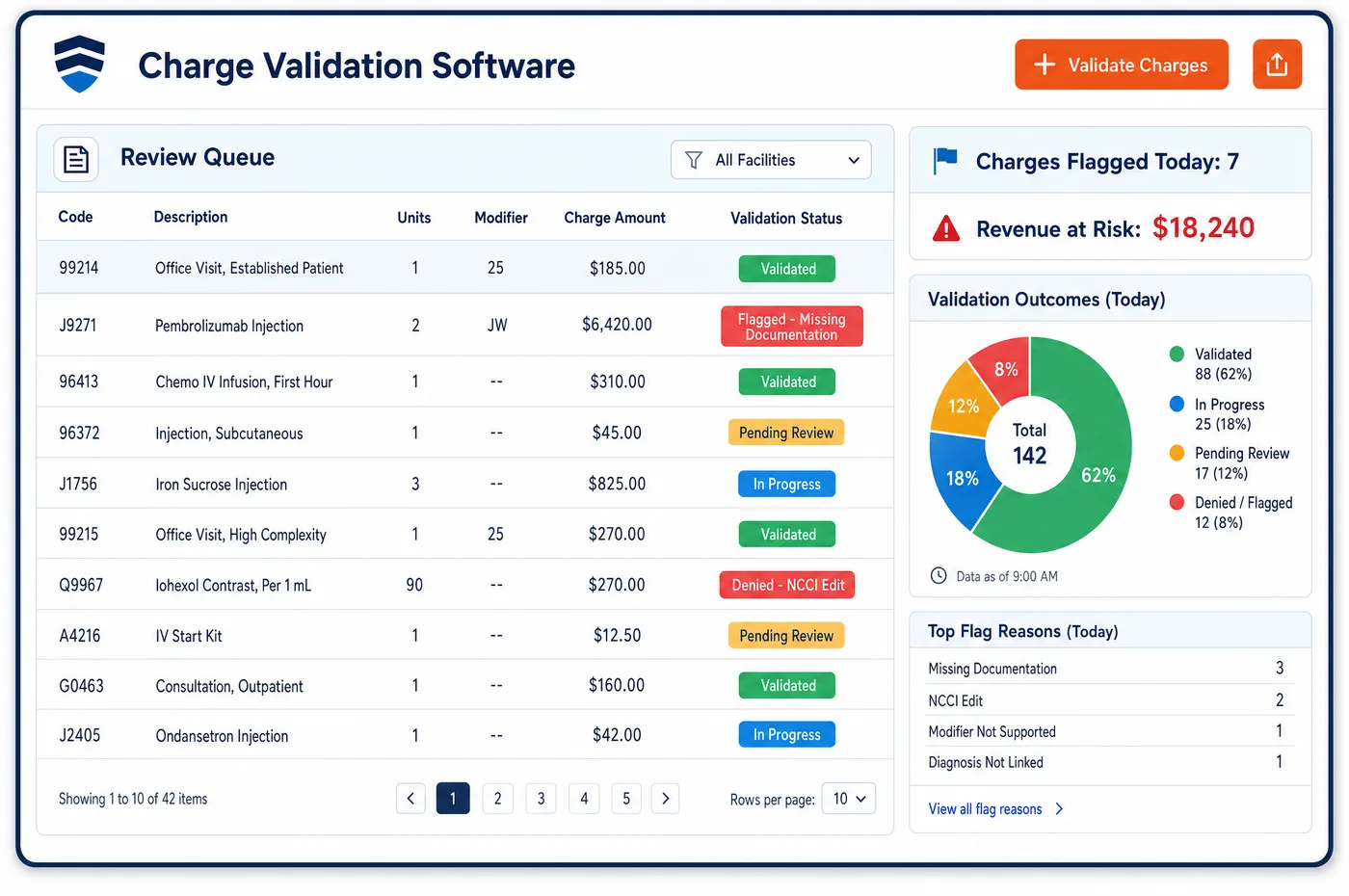
EHR Integration in a Clinical Research Practice
Research care is charted in the same EHR as routine care, often in the same note. The billing side needs to know which encounters belong to a study, which orders were placed for the protocol, and which diagnoses were recorded. Unlimited Systems receives that data through pre-built connectors to the EHRs research sites already use, over HL7 and FHIR feeds. ADT messages bring demographics and insurance changes. Scheduling messages bring study visits as they are booked, so visit windows can be checked against billing. Charge messages bring each service with its order details. Where the EHR flags a patient as enrolled, or an order as research-related, that flag travels with the charge, and the study's coverage analysis rules can act on it at once. Encounter diagnoses, including Z00.6 for trial visits, come across with the charges. Interface traffic is watched in real time, so a stalled feed is caught before study charges go missing from billing.
Why Is EHR Integration Different in Clinical Research?
Research care and routine care meet in a single chart. A participant's visit note may document a routine exam, a study-only questionnaire and an investigational drug dose side by side. If billing receives only charge codes from the EHR, it can't tell which services the sponsor pays for. EHR integration at a research site has to carry the study context, not just the charges.
Timing matters, too. A study visit booked outside its window may not be payable by the sponsor. An order placed for the protocol, if it reaches billing as an ordinary lab, can end up on an insurance claim. Batch files that arrive overnight leave billing guessing until the next day. Real-time feeds let the research billing rules see each charge with its study link as it is entered.
The chart is also where the evidence lives. CMS expects the trial name, sponsor and protocol number in the participant's record, and auditors look there first. The consent and research authorization are often stored in the EHR as well. Billing that can see whether those are in place before a claim goes out avoids claims the record can't support.
What Clinical Research EHR Integration Software Handles
- Study identifiers in the chart
- CMS requires the trial name, sponsor and sponsor-assigned protocol number in the participant's medical record. When the EHR holds them as study data, the feed brings them to billing, and enrolled patients missing any of the three are flagged. (CMS Medicare Claims Processing Manual, Chapter 32, Section 69: Qualifying Clinical Trials)
- Trial and non-trial charge lines
- CMS wants trial and non-trial services on separate lines when both are on one claim. Charges arriving from the EHR keep their order and study link, so routine and research lines can be split from the start. (CMS Medicare Claims Processing Manual, Chapter 32, Section 69: Qualifying Clinical Trials)
- Z00.6 on the encounter
- Medicare trial claims need diagnosis Z00.6 in the primary or secondary position. The encounter diagnoses come from the EHR, and a trial charge that arrives without Z00.6 is held before the claim is built. (CMS Medicare Claims Processing Manual, Chapter 32, Section 69: Qualifying Clinical Trials)
- Research subject records in FHIR
- FHIR defines a ResearchSubject resource that links a Patient to a ResearchStudy, with a status such as screening, on-study or off-study and a reference to the consent. Where an EHR exposes it, enrollment can be read in that form. (HL7 FHIR R4: ResearchSubject resource)
- Research-only orders
- Medicare does not cover services provided solely for trial data collection. When the EHR marks an order as research-only, that mark rides with the charge, and the service goes to the sponsor side instead of a claim. (CMS National Coverage Determination 310.1: Routine Costs in Clinical Trials)
How Does Clinical Research EHR Integration Software Work?
1. Connect the EHR
The practice's EHR is linked through a pre-built connector where one exists. Each interface is tested in a sandbox before it touches live study data.
2. Receive demographics and study visits
Admission and registration messages update demographics and insurance. Scheduling messages bring study visits as they are booked, with the study they belong to.
3. Bring charges with their study link
HL7 charge messages carry each service, its order and any research flag the EHR sets. Research charge assembly then builds the lines from them.
4. Check record items before billing
Trial charges are checked for Z00.6 and for the study identifiers in the record. Gaps go back to the study team while the visit is still fresh.
5. Monitor the feed
Interface activity is watched as it happens. Exchange with labs, hospitals and registries beyond the EHR is covered under research interoperability.
Clinical Research EHR Integration Software vs. Generic Software
| Area | Generic approach | Unlimited Systems |
|---|---|---|
| Study context | Charges arrive as bare codes. | Charges arrive with the study link and research flags the EHR sets. |
| Data timing | Overnight batch files. | Real-time feeds as care is charted and charges are entered. |
| Research orders | Look like any other lab or scan. | Marked research-only when the EHR does so, and routed to the sponsor side. |
| Record checks | Found missing during an audit. | Z00.6 and study identifiers checked before the claim is built. |
| Interface health | A stalled feed is found when charges are missing. | Interface activity monitored in real time. |
Who Uses It in a Clinical Research Practice
- Research billing specialist: Trial charges that arrive already tied to the study, with research orders marked and diagnoses attached.
- Study coordinator: Fewer questions from billing, since the study link set in the chart travels with every charge.
- IT manager: Standard HL7 and FHIR feeds from the EHR, tested in a sandbox and watched in real time once live.
Clinical Research EHR Integration Software FAQs
EHR integration sends demographics, insurance changes, the study visit, orders, diagnoses and charges for a trial visit. Where the EHR marks the patient as enrolled or an order as research-related, that mark comes along with the charge. Billing can then apply the study's coverage analysis at once, instead of waiting for someone to explain which services were for the study.
Study enrollment can come from the EHR when the EHR records it and sends it on the feed. FHIR defines a ResearchSubject resource that links a patient to a study with a status and a consent reference. Where an EHR doesn't send enrollment, staff record it on the patient's account at registration, and the link works the same way from then on.
Billing needs research orders marked because a protocol lab or scan looks like any other order once it becomes a charge. Medicare does not cover services provided only for trial data collection. A research-only mark set in the EHR keeps that service off the insurance claim and sends it to the sponsor side, where it belongs.
Z00.6 is best recorded in the EHR as an encounter diagnosis, so the chart and the claim match. Medicare trial claims need it in the primary or secondary position. When a trial charge arrives without Z00.6, billing holds it and asks the study team to add it, rather than adding a diagnosis the record doesn't show.
A research site does not need to change EHRs. Unlimited Systems connects to the clinical systems the practice already uses through pre-built connectors and HL7, FHIR or API feeds. Each interface is tested in a sandbox before it carries live data, and activity is monitored once it is running, so a stopped feed is noticed quickly.
Study visits come from the EHR schedule as they are booked, along with the study they belong to. Billing can compare the visit date with the window the study calendar allows. A visit booked outside its window is flagged for the coordinator, since the sponsor may not pay for it and the coverage analysis may treat it differently.
Related Clinical Research Software
Platform & AI
In the revenue cycle
EHR Integration for related specialties
Sources
GET STARTED
See Unlimited Systems in Action
Whether you're actively evaluating new technology or simply preparing for your next vendor renewal, Unlimited Systems can help you understand where your current workflows may be creating avoidable revenue risk.