

Front office
Dermatology Patient Engagement Software
Reach skin patients with biopsy results, treatment reminders, estimates and statements that all tie back to one account.
Dermatology Patient Engagement Software keeps skin patients informed and on track between visits. It sends reminders for appointments and treatment courses, supports calls and messages about biopsy results, delivers estimates for self-pay cosmetic care, and sends statements that match the ledger staff already work in.



 6,500+ specialty providers
Patient Engagement in a Dermatology Practice
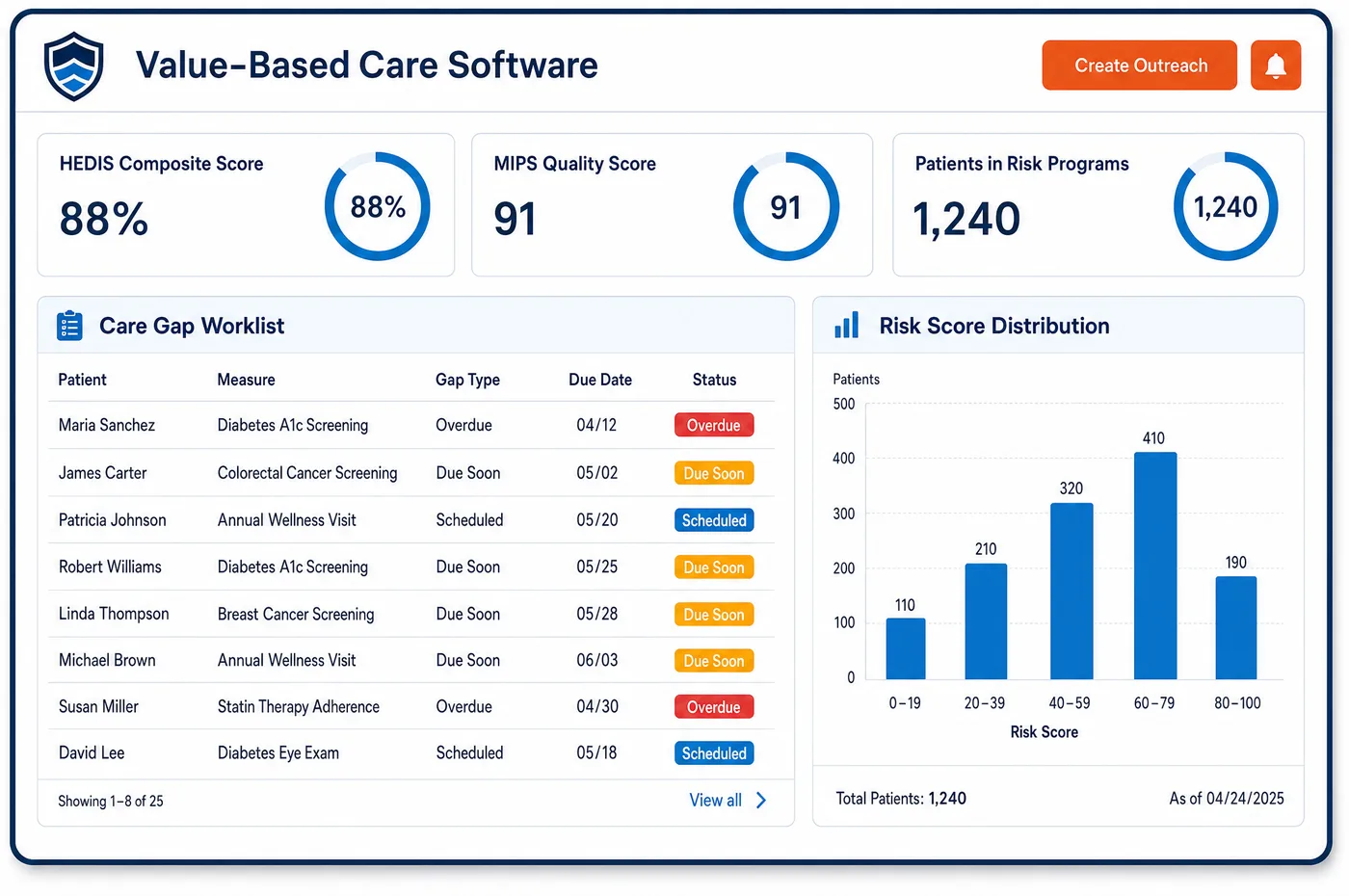
Most skin patients talk to the practice more often than they visit. A patient waits for a pathology report on a mole. A psoriasis patient needs a reminder to keep a phototherapy course on track. A parent wants to know when the next approval for an eczema biologic will come through. A cosmetic patient wants a price in writing. Dermatology patient engagement software gives staff queues and message templates for each of these, so the practice reaches out first instead of waiting for the phone to ring. Reminders go out by text or email. Result follow-ups appear on a worklist until someone closes them. Statements and payment links come from the same ledger that billing uses, so the balance a patient sees matches the balance staff see. Every message and call is logged to the account, which gives the practice a record of what was said and when.
Why Is Patient Engagement Different in Dermatology?
Biopsy results are the highest-stakes message a skin practice sends. A report may show a benign growth or a melanoma, and the patient needs the right call from the right person. Engagement here is not a blast message. It is a worklist where each pending result has an owner, a status and a note on whether the patient has been reached, so that no report is left unread.
Many treatments run as courses. Phototherapy, excimer laser and isotretinoin all depend on the patient coming back on a pattern. Missing one step can stop the course or delay a refill. Reminders that name the treatment, and outreach to patients who have gone quiet, matter more in skin care than a general appointment ping.
Money talks are mixed. A covered patient owes a copay and maybe a deductible. A cosmetic patient owes the full price, often with a deposit. A parent may have a balance on a child's account. Patient engagement has to keep these messages distinct and clear, with an estimate before care and a plain statement afterward, so that billing questions do not turn into complaints.
What Dermatology Patient Engagement Software Handles
- Pathology result follow-up
- Biopsy codes 11102 to 11107 cover tangential, punch and incisional techniques, and every specimen goes to a lab. Each pending report sits on a worklist with an owner until the patient has been told the result and the next step. (Federal Register: CY 2019 Physician Fee Schedule final rule, skin biopsy codes 11102–11107 (83 FR 59452, at 59522))
- Isotretinoin monthly prompts
- FDA's iPLEDGE program requires patient and prescriber steps before each prescription can be filled. Staff use reminder queues to prompt patients about the next visit and the required tests, so the refill is not held up. (U.S. Food and Drug Administration: iPLEDGE Risk Evaluation and Mitigation Strategy (REMS))
- Biologic renewal outreach
- UnitedHealthcare asks for proof of a good response when it renews dupilumab for atopic dermatitis. Staff message the patient ahead of the renewal to book a visit and collect the details the request needs. (UnitedHealthcare Pharmacy Clinical Program 2026 P 2116-24: Dupixent (dupilumab) Prior Authorization/Medical Necessity)
- Good faith estimates for cosmetic care
- CMS says a patient who is not using insurance is owed a good faith estimate when care is booked far enough ahead or on request. The estimate is sent in writing before the visit, and the patient's later invoice is compared with it. (CMS: Your right to a good faith estimate (No Surprises Act))
- Visits inside a global period
- Medicare folds related recovery visits into the payment for minor procedures with a 000 or 010 global indicator. Patient messages about wound checks explain that these visits are part of the procedure, which cuts surprise questions about charges. (CMS MLN Booklet MLN907166: Global Surgery)
- Cosmetic versus covered messaging
- The Medicare benefit manual excludes cosmetic surgery except in narrow repair cases. Quotes for cosmetic work say plainly that insurance will not be billed, so the patient knows the full price before treatment. (CMS Medicare Benefit Policy Manual, Chapter 16: General Exclusions from Coverage (section 120, Cosmetic Surgery))
How Does Dermatology Patient Engagement Software Work?
1. Set message rules by visit type
Staff choose which reminders and follow-ups go with each appointment type, such as a skin check, a procedure, a light therapy course or a cosmetic visit. The rules decide the wording and the timing.
2. Work the result queue
Each pending biopsy report shows on a worklist with the patient, the specimen and the visit that sent it. A clinician or nurse marks the result as reviewed, and staff log the call or message that reached the patient.
3. Reach out on courses and renewals
Queues list patients who are due for a light therapy session, an isotretinoin follow-up or a biologic renewal. Staff send the reminder and note the reply on the account.
4. Send estimates and statements
Cosmetic quotes and good faith estimates go out before care. After the visit, statements come from the same ledger as the claim, tied to the patient balance staff see.
5. Log every contact
Messages, calls and portal replies are stored on the patient account. When a patient asks what was said about a result or a price, staff can find the answer.
Dermatology Patient Engagement Software vs. Generic Software
| Area | Generic approach | Unlimited Systems |
|---|---|---|
| Result follow-up | Reports reviewed in an inbox with no list of who was called. | A worklist with an owner and a status for every pending result. |
| Treatment courses | Patients drift away between sessions. | Queues show who is due and who has gone quiet. |
| Estimates | Quoted by phone and forgotten. | Written estimate sent before care and kept on the account. |
| Statements | Built apart from the ledger. | Sent from the same ledger billing works in. |
| Contact history | Notes scattered across phone slips. | Every message logged to the patient account. |
Who Uses It in a Dermatology Practice
- Clinical nurse or medical assistant: A result worklist that shows each pathology report, who owns the call and whether the patient has been reached.
- Front desk: Reminder queues for booked visits and courses, plus a record of every call so the next person can pick up the thread.
- Billing manager: Statements and estimates that match the ledger, so billing calls are about real questions and not mismatched numbers.
Dermatology Patient Engagement Software FAQs
Patient engagement helps with biopsy results by putting each pending report on a worklist with an owner and a status. Staff can see which reports have come back, which have been reviewed by a clinician and which patients have been reached. That keeps an abnormal result from sitting unread and gives the practice a record of every call.
The most useful reminders for phototherapy patients name the treatment and the next session, because a missed visit can break the course. Payers such as Aetna limit the number of treatments in a course, so staff also use the queue to find patients who have gone quiet and offer them a slot before the approval runs out.
Patients can get cosmetic estimates in writing before treatment. CMS says patients who are not using insurance should receive a good faith estimate when they book care far enough ahead or ask for one. The estimate lists the expected services and prices, and staff compare the final bill against it afterward.
Statements stay consistent because they come from the same ledger that billing works in. When staff post a payment or adjustment, the patient balance changes in one place. The patient sees the same figure as the billing team, which prevents calls caused by mismatched numbers and makes each question easier to answer.
Patient engagement software helps isotretinoin patients by prompting them about follow-up visits and the steps the iPLEDGE program requires before each prescription. Staff use reminder queues to reach patients who have not booked, so a missed step does not hold up a refill or break the treatment plan.
Messages about global period visits explain that related recovery visits are part of the procedure. Medicare folds these visits into the payment for minor procedures, so a patient is not billed a second time for a wound check. Clear wording up front cuts the number of calls about charges.
Related Dermatology Software
Front office
Patient Engagement for related specialties
Sources
- Federal Register: CY 2019 Physician Fee Schedule final rule, skin biopsy codes 11102–11107 (83 FR 59452, at 59522)
- U.S. Food and Drug Administration: iPLEDGE Risk Evaluation and Mitigation Strategy (REMS)
- UnitedHealthcare Pharmacy Clinical Program 2026 P 2116-24: Dupixent (dupilumab) Prior Authorization/Medical Necessity
- CMS: Your right to a good faith estimate (No Surprises Act)
- CMS MLN Booklet MLN907166: Global Surgery
- CMS Medicare Benefit Policy Manual, Chapter 16: General Exclusions from Coverage (section 120, Cosmetic Surgery)
- Aetna Clinical Policy Bulletin 0205: Phototherapy and Photochemotherapy (PUVA) for Skin Conditions
GET STARTED
See Unlimited Systems in Action
Whether you're actively evaluating new technology or simply preparing for your next vendor renewal, Unlimited Systems can help you understand where your current workflows may be creating avoidable revenue risk.