

Front office
Orthopedics Patient Engagement Software
Texts, portal messages and surveys that guide orthopedic patients through pre-op prep, injection series, therapy and recovery.
Orthopedics Patient Engagement Software keeps in touch with patients between orthopedic visits. It sends pre-op instructions, injection and post-op reminders, and therapy nudges by text, email or voice. Patients can reply to confirm, reschedule or ask a question. Surveys and education are matched to the joint and the procedure.



 6,500+ specialty providers
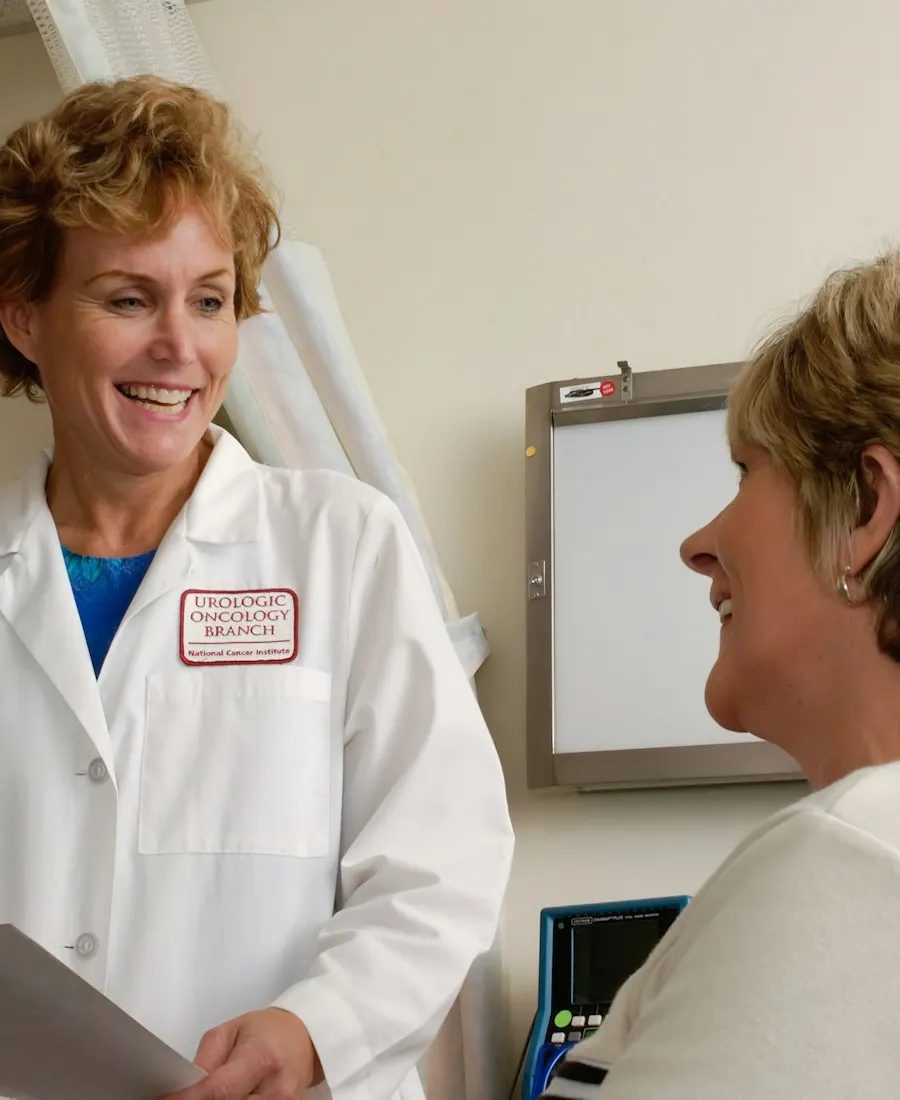
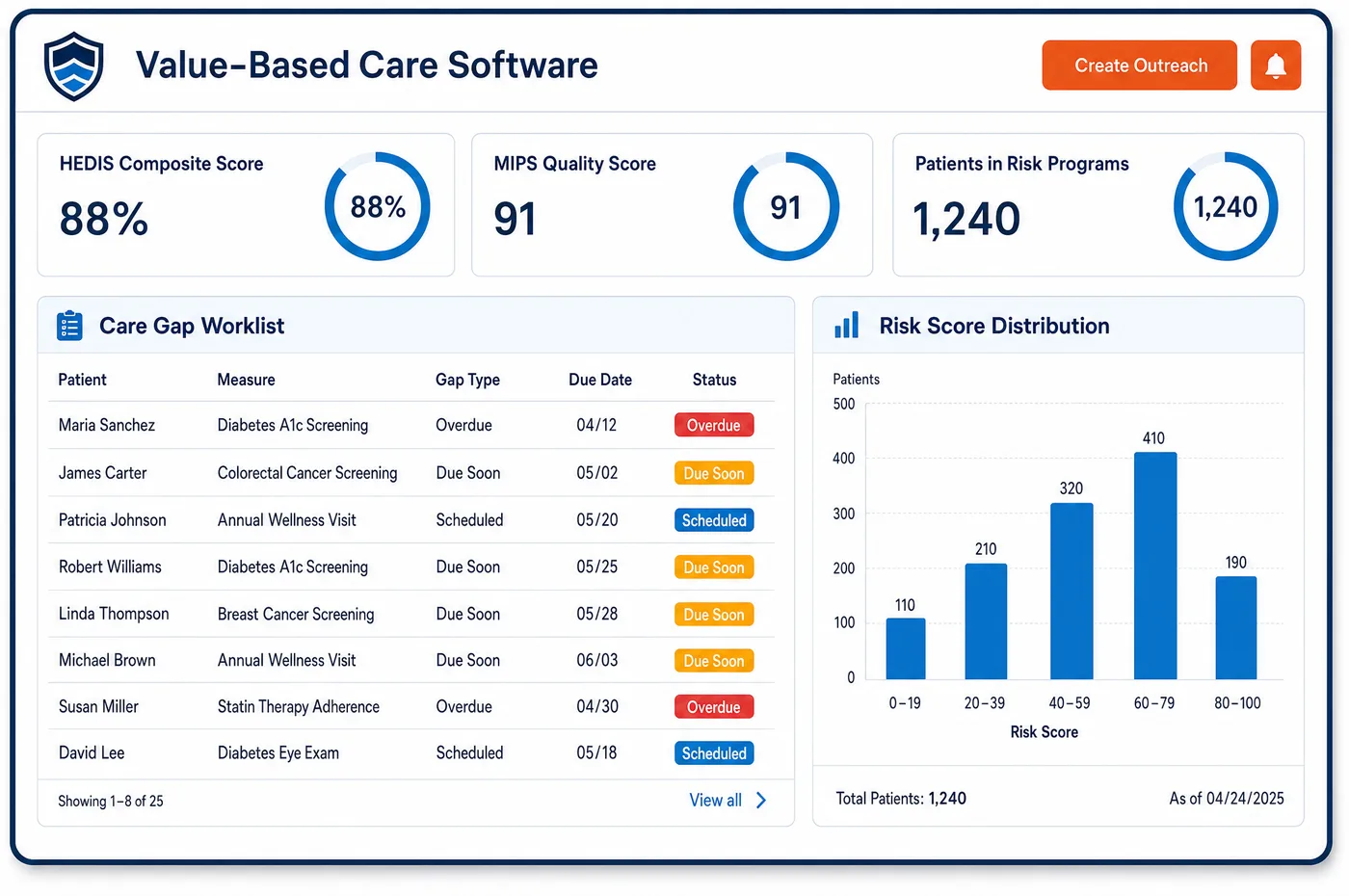
Patient Engagement in a Orthopedics Practice
An orthopedic surgery has a long tail of contact. Before a knee replacement, the patient needs a pre-op checklist, arrival times and what to stop taking, as set by the surgeon. After discharge, the patient needs wound care tips, the first post-op visit and reminders to keep up with therapy. Unlimited Systems triggers each message from the live schedule and the patient's episode, so the content follows the actual case and date. Messages go by the patient's chosen channel and language, with consent and opt-outs tracked. Two-way texting lets a patient confirm a visit or reply with a question, and staff see the thread on the patient record. Function surveys can go out before surgery and again at follow-up points the surgeon picks. Patients in an injection series get a reminder for each weekly shot. When a brace or a scan approval comes back, the patient gets a note with the next step.
Why Is Patient Engagement Different in Orthopedics?
Engagement in orthopedics is tied to recovery. A joint replacement or a fracture repair only works if the patient does the prep, shows up for follow-ups and keeps up with therapy. Missed post-op visits inside the global period are not lost revenue in themselves, since those visits are already paid. But they are lost chances to catch a problem early, and a problem caught late can mean a return to the OR. Reminders that follow the real surgery date matter more here than in most fields.
Hospitals now carry more risk for orthopedic episodes too. The TEAM model holds selected hospitals accountable for lower extremity joint replacement, hip and femur fracture surgery and spinal fusion episodes of care. The surgeons who operate there shape much of what happens to the patient after discharge. Clear outreach after surgery is one of the few tools a practice has to support that work.
Orthopedic patients are also busy and often working. A patient with a work injury may have return-to-work questions. A patient in an injection series needs a nudge each week. A patient waiting on an MRI approval wants to know where it stands. Orthopedics patient engagement software answers those needs with short, specific messages and a patient portal, instead of phone tag. Messages are triggered by the orthopedic schedule and by status changes in financial clearance, so they stay accurate.
What Orthopedics Patient Engagement Software Handles
- TEAM episodes: joint replacement, hip fracture and spinal fusion
- Since January 1, 2026, selected hospitals have been accountable for these surgical episodes. Post-discharge messages, visit reminders and surveys help the surgeon's practice keep patients on the plan the hospital and surgeon share. (CMS Innovation Center: Transforming Episode Accountability Model (TEAM))
- Post-op visits in the global period (code 99024)
- Reminders for each post-op visit are sent from the dates set at booking. Because these visits are logged with code 99024 and carry no separate charge, the reminder does not ask the patient to bring a copay. (CMS MLN907166 Global Surgery Booklet (December 2025))
- Weekly viscosupplement series per knee
- For weekly products such as Synvisc, Euflexxa or Orthovisc, the patient gets a reminder before each shot in the series. Each knee has its own series, so the message names the joint. (WPS Billing and Coding Article A56157: Intraarticular Knee Injections of Hyaluronan)
- Knee braces on Medicare's prior auth list
- For braces such as L1832 or L1851, the patient gets a message when the approval comes back and the fitting can be booked. The patient is not left calling to ask. (CMS DMEPOS Required Prior Authorization List)
- WISeR review for knee scopes
- For Original Medicare patients in a WISeR state, a knee scope for arthritis may wait on prior auth or a review. The patient gets a status note when the decision comes in, with the next step. (CMS Innovation Center: WISeR Model)
How Does Orthopedics Patient Engagement Software Work?
1. Set the message plan
Each visit type and procedure has its own message plan. A knee replacement plan holds pre-op, discharge and post-op messages. An injection plan holds a reminder for each shot.
2. Trigger from the schedule
Messages are sent from the live schedule and episode, not a fixed calendar. If the surgery date moves, the plan moves with it. Cancelled visits stop their reminders.
3. Talk both ways
Patients reply by text to confirm, reschedule or ask a question. Replies land on the patient record. Staff answer from the same thread.
4. Send surveys and education
Function surveys go out before surgery and at the follow-up points the surgeon picks. Education is matched to the joint, the procedure and the patient's language. Answers are stored with the episode.
5. Track consent and results
Consent and opt-outs are tracked for each channel. Staff can see which messages were read and which went unanswered. Patients who stop replying can get a call.
Orthopedics Patient Engagement Software vs. Generic Software
| Area | Generic approach | Unlimited Systems |
|---|---|---|
| Pre-op prep | Paper packet handed out at the last clinic visit. | Timed texts and portal content tied to the surgery date. |
| Post-op follow-up | One reminder the day before, if any. | Message plan that follows the patient through the global period. |
| Injection series | Patients track their own weekly shots. | A reminder before each shot, naming the knee. |
| Approval status | Patients call to ask if the MRI is approved. | Status note sent when the decision comes in. |
| Two-way contact | Phone calls and voicemail. | Two-way texting stored on the patient record. |
| Outcome surveys | Paper forms handed out in clinic. | Surveys sent before and after surgery and stored with the episode. |
Who Uses It in a Orthopedics Practice
- Surgical coordinator: Pre-op and post-op message plans that run on their own and follow the real surgery date.
- Front desk: Fewer calls about visit times, approvals and prep steps, and replies in one thread on the patient record.
- Orthopedic surgeon: Patients who arrive prepared, keep their post-op visits and complete function surveys before and after surgery.
- Practice administrator: Outreach that supports hospital partners on joint replacement episodes and bundled payment work.
Orthopedics Patient Engagement Software FAQs
Orthopedics patient engagement software sends pre-op instructions, post-op and injection reminders, therapy nudges, approval status notes, education and function surveys. Messages go by text, email or voice in the patient's chosen language. Each one is triggered by the live schedule or the patient's episode, so it follows the real surgery date and visit plan. Patients can reply, and replies land on the patient record.
Patient engagement after joint replacement keeps the patient on the recovery plan. Messages cover wound care tips, the first post-op visit, therapy reminders and later follow-ups inside the global period. Function surveys can go out at points the surgeon picks. Hospitals in the TEAM model are accountable for these episodes, so this outreach also supports the surgeon's hospital partners.
Patients can text the practice back. Two-way texting lets them confirm a visit, ask to reschedule or send a short question. Replies are stored on the patient record, and staff answer from the same thread. Consent and opt-outs are tracked for each channel, so patients who do not want texts can choose email or a call instead.
Injection patients are reminded before each shot in a weekly series. Viscosupplement products such as Synvisc, Euflexxa and Orthovisc are given as a short series, and each knee has its own series. The reminder names the joint and the visit time. If a visit is missed, the patient gets a prompt to rebook so the series stays on track.
Patients hear when an approval comes back. When an MRI, surgery or brace approval is decided, the patient gets a short note with the next step, such as booking the scan or the fitting. Original Medicare patients waiting on a WISeR review for a knee scope get the same kind of update. This cuts the calls asking where things stand.
Outcome surveys are part of engagement. Function and pain surveys can be sent before surgery and again at follow-up points the surgeon chooses. Patients answer on their phone, and the results are stored with the episode on the patient record. Practices use these answers to track recovery and to share results with hospital partners in joint replacement programs.
Related Orthopedics Software
Front office
Patient Engagement for related specialties
Sources
GET STARTED
See Unlimited Systems in Action
Whether you're actively evaluating new technology or simply preparing for your next vendor renewal, Unlimited Systems can help you understand where your current workflows may be creating avoidable revenue risk.