

Front office
Ambulatory Surgery Center Patient Engagement Software
Pre-op instructions, arrival reminders, family updates, post-op calls and balance messages that follow the live case and the live account.
Ambulatory Surgery Center Patient Engagement Software keeps patients informed from booking to the post-op call. It sends pre-op instructions, arrival reminders and ride-home prompts, takes replies by text, and follows up after discharge. Balance messages and the portal read the same account staff use, so the patient never sees a stale number.



 6,500+ specialty providers
Patient Engagement in a Ambulatory Surgery Center Practice
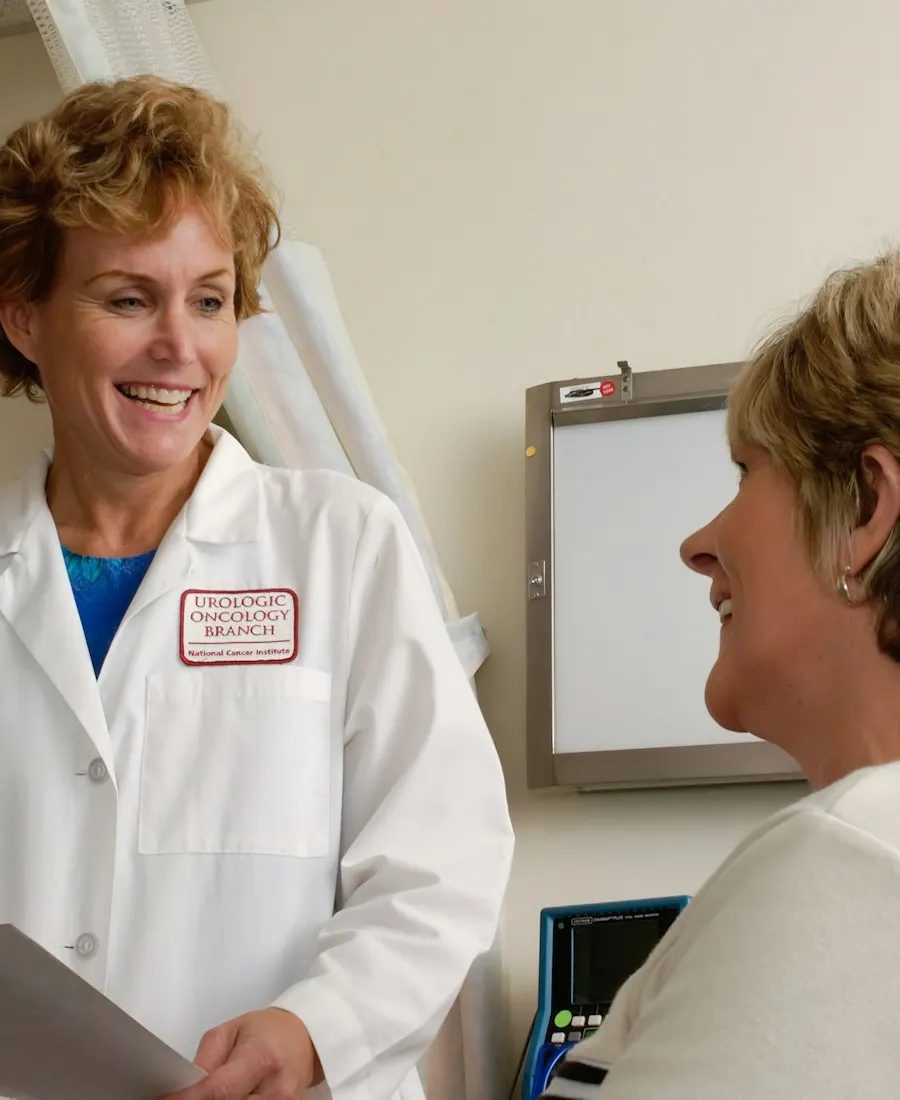
Most ASC patients have one procedure and a lot of questions. Engagement starts when the case is cleared. The patient gets the arrival time, the fasting and medication instructions the surgeon set, and a reminder to bring a responsible adult. Before the date, a reminder asks the patient to confirm. A reply that the patient cannot come goes straight to the scheduler, so the time can be offered to someone else. On the day of surgery, family members the patient has named can get secure updates. After discharge, the post-op call is planned and logged. Replies land on the record, where staff send clinical questions to a nurse. Later, the center's approved vendor sends the OAS CAHPS survey. When the facility claim pays, the balance shows in the patient portal with a link to pay. Ambulatory surgery center patient engagement keeps every message tied to the live case.
Why Is Patient Engagement Different in Ambulatory Surgery Center?
Surgery is stressful, and the instructions are strict. A patient who eats on the morning of surgery, takes a blood thinner they were told to stop, or arrives with no ride will not have the case done. Clear, timed messages before the date prevent many of these problems, and a reply channel lets the patient ask before it is too late.
The patient's experience is also measured. CMS requires ASCs to take part in the OAS CAHPS survey through an approved vendor, and the survey is linked to the center's Medicare payment. Patients rate how well staff explained the procedure and recovery, how they were treated, and whether they would recommend the center. Messages that set expectations and a post-op call that checks on the patient both shape those answers.
Money messages need care too. Patients get separate bills from the center, the surgeon and anesthesia, often at different times. A portal that shows the center's balance from the live ledger, with a clear note about the other bills, heads off confused calls. Uninsured and self-pay patients must be told of their right to a good faith estimate. Patient engagement in an ASC carries clinical and financial messages without mixing them up.
What Ambulatory Surgery Center Patient Engagement Software Handles
- Discharge instructions (42 CFR 416.52(c))
- Each patient gets written discharge instructions and must be told about prescriptions, post-op care and how to reach the physician, before surgery or before leaving. The same instructions can go out by text or email so they are at hand at home. (42 CFR 416.52: Patient admission, assessment and discharge (ASC conditions for coverage))
- OAS CAHPS survey
- The Outpatient and Ambulatory Surgery CAHPS survey is required for ASCs and linked to Medicare payment. An approved vendor runs it, so the center's part is clean patient contact data and good care messages, not sending the survey itself. (CMS Outpatient and Ambulatory Surgery CAHPS (OAS CAHPS))
- Notice of the right to a good faith estimate
- Facilities must tell uninsured and self-pay patients they can get a good faith estimate. The notice belongs on the website, posted on site and said out loud when a case is scheduled, and message templates repeat it in writing. (CMS No Surprises Act: Overview of Key Consumer Protections)
- Medicare Summary Notice messages
- Medicare uses set MSN messages on ASC claims, such as the one sent when a separately billed item is packaged into the procedure payment. Staff read the claim's remark codes to explain an MSN in plain words when a patient calls or writes. (Medicare Claims Processing Manual, Chapter 14: Ambulatory Surgical Centers (section 60, MSN messages))
- Prior authorization decisions in demonstration states
- In the ten states in Medicare's ASC prior authorization test, the MAC sends its decision to the ASC and shares it with the patient on request. Staff can message the patient once a provisional affirmation is on file, so the patient knows the case is set. (CMS FAQs: Prior Authorization Demonstration for Certain ASC Services (December 2025))
How Does Ambulatory Surgery Center Patient Engagement Software Work?
1. Confirm channel and contacts
Each patient's preferred channel and language are stored, along with any family member they want updated. Opt-outs are honored on every message.
2. Send pre-op instructions
Once the case is cleared, the patient receives the arrival time and the surgeon's instructions on fasting, medications and the ride home. Instructions vary by procedure type.
3. Remind and confirm
A reminder before the date asks the patient to confirm. A reply that the patient cannot come goes to the ASC schedule so the time can be offered to a waitlist patient.
4. Follow up after discharge
The post-op call is planned and logged, and written discharge instructions can be resent on request. Replies land on the record, where staff send clinical questions to a nurse.
5. Share the balance
When the facility claim pays, the portal shows the balance from the live ledger with a link to pay. Statement questions go to ASC patient billing.
Ambulatory Surgery Center Patient Engagement Software vs. Generic Software
| Area | Generic approach | Unlimited Systems |
|---|---|---|
| Pre-op instructions | A printed sheet handed out at the surgeon's office. | Timed messages with instructions for the specific procedure. |
| Confirmations | Staff phone every patient the day before. | Patients confirm or cancel by reply. |
| Family updates | Family members wait in the lobby for news. | Named family members get secure updates. |
| Post-op follow-up | Calls made when staff have time, with no record. | Planned calls logged on the record. |
| Balance messages | A mailed bill that may not match the account. | The portal shows the live ledger balance. |
Who Uses It in a Ambulatory Surgery Center Practice
- Pre-op nurse: Fewer reminder calls, since forms from ASC patient intake and instructions are already sent, and replies flag problems early.
- Front desk: Confirmations and cancellations by text, so open times are known sooner and can be filled.
- Administrator: Better-prepared patients and a logged post-op call for every case, which supports the center's patient experience results.
Ambulatory Surgery Center Patient Engagement Software FAQs
Patient engagement for an ASC covers every message outside the procedure itself: pre-op instructions, arrival reminders, confirmations, family updates, the post-op call and balance messages. Each message reads the live case and account, so it reflects the current time, instructions and balance. Replies land on the patient record, where staff can act on them.
Patients can name the family members they want updated, and those contacts are stored on the record. On the day of surgery, staff can send secure updates to them, such as when the patient is in recovery and ready for pickup. Updates go only to the people the patient listed.
OAS CAHPS is the patient experience survey CMS requires for ASCs. An approved vendor sends it, not the center. The center's role is to give the vendor clean contact data and to give patients a good experience. Clear pre-op instructions and a logged post-op call help patients feel prepared, which many survey questions ask about.
Patients must get written discharge instructions and be told about prescriptions, post-op care and how to reach the physician. The center gives these in person. The same instructions can also be sent by text or email, so the patient and the person caring for them have a copy at home.
When the facility claim pays, the portal shows what the patient owes the center, read from the live ledger. A message lets the patient know and links to the payment page. If the patient asks about the surgeon's or anesthesia bill, staff point them to the right group.
Opt-outs are stored on the patient record and honored on every message. Those patients get reminders by email or a phone call instead, based on what they chose. Staff can see each patient's preferences before they reach out, so no one gets messages they asked not to receive.
Related Ambulatory Surgery Center Software
Front office
Patient Engagement for related specialties
Sources
- 42 CFR 416.52: Patient admission, assessment and discharge (ASC conditions for coverage)
- CMS Outpatient and Ambulatory Surgery CAHPS (OAS CAHPS)
- CMS No Surprises Act: Overview of Key Consumer Protections
- Medicare Claims Processing Manual, Chapter 14: Ambulatory Surgical Centers (section 60, MSN messages)
- CMS FAQs: Prior Authorization Demonstration for Certain ASC Services (December 2025)
GET STARTED
See Unlimited Systems in Action
Whether you're actively evaluating new technology or simply preparing for your next vendor renewal, Unlimited Systems can help you understand where your current workflows may be creating avoidable revenue risk.