

Front office
Diabetes Care Patient Registration Software
Sign up each diabetes patient once, with the medical plan, drug plan, referring practitioner and device supplier that later claims depend on.
Diabetes Care Patient Registration Software captures who the patient is and who pays, in one clean record. Along with demographics and the medical plan, it records the drug plan, the guarantor, the practitioner who referred the patient for education, and the supplier that ships their CGM or pump supplies.



 6,500+ specialty providers

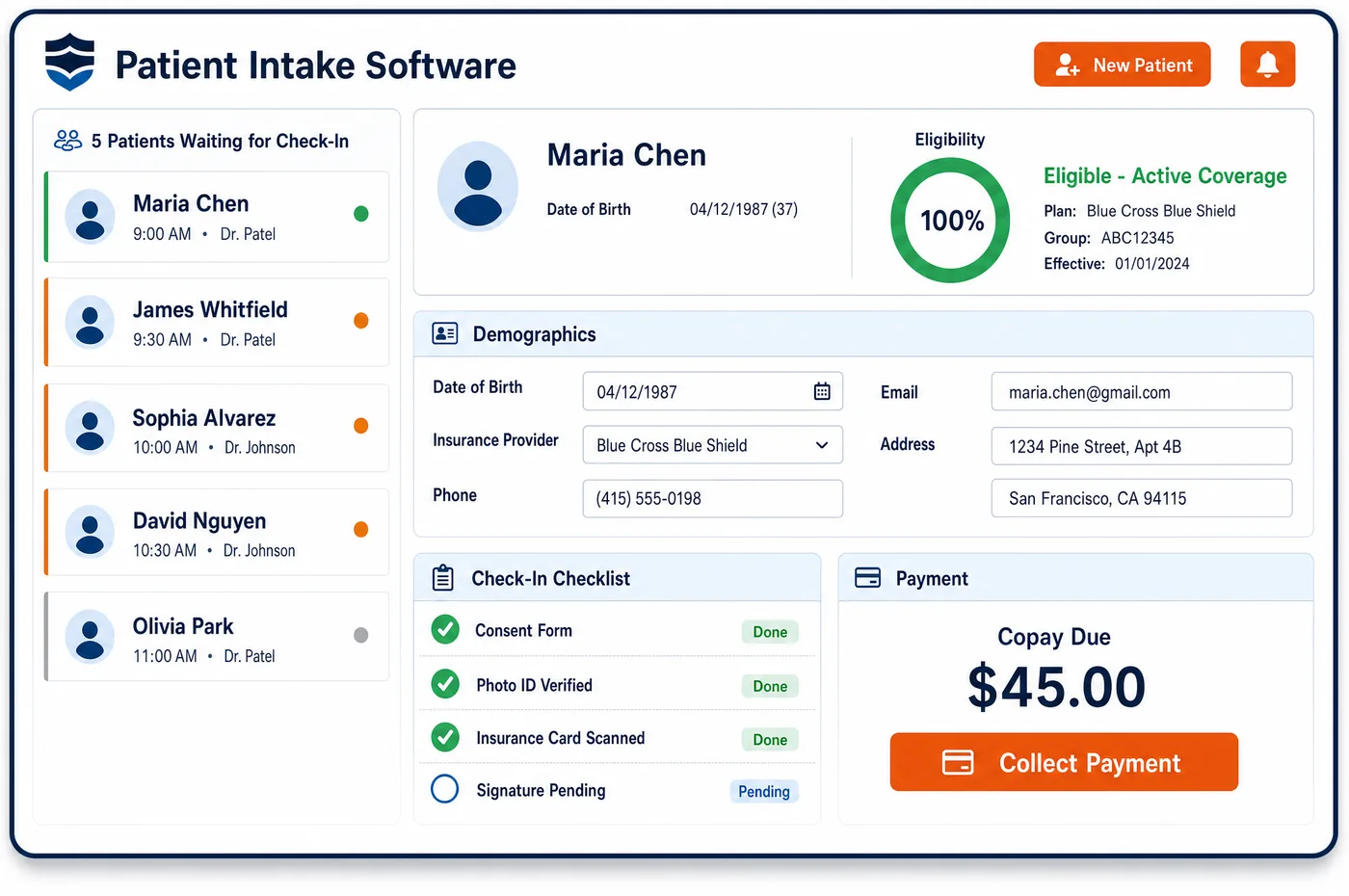
Patient Registration in a Diabetes Care Practice
Registration in a diabetes practice gathers more parties than most. The medical plan pays for visits, CGM interpretation and education. A separate drug plan often decides on GLP-1s and insulin pens. A DME supplier or pharmacy may ship sensors and pump supplies. Nutrition therapy and DSMT each need a named referring practitioner, and a nutrition therapy claim without the referring physician's NPI is returned by Medicare. Diabetes care patient registration software holds each of these on the patient's account at sign-up. Duplicate detection flags a likely match when a patient referred for a class is already on file under the endocrinologist. Custom fields hold diabetes type and current devices. For a child with type 1 diabetes, the guarantor and both parents' plans are entered, so coordination of benefits is settled before the first claim.
Why Is Patient Registration Different in Diabetes Care?
Patients often reach a diabetes practice through more than one door. A primary care practice refers for education, a hospital refers after a new diagnosis, and the endocrinologist books a consult. Each path can create its own chart. Two records for one person split the education hours, the device history and the billing history, and the next claim may go out with old details. Registration has to find the existing person first.
The plan picture is also wider. Medical and drug coverage are often separate cards with separate rules, and the drug plan is the one that rules on many diabetes medicines. CGM supplies may come through a DME supplier under the medical plan or through a pharmacy, depending on the plan. Recording the medical and pharmacy benefits apart at sign-up saves calls later.
Referrals carry billing weight here too. Medicare pays for DSMT only when the practitioner treating the diabetes refers the patient, and for nutrition therapy only when a physician refers. The referring practitioner's name and NPI belong on the patient's registration, tied to the service they ordered. That detail feeds the diabetes patient record for the life of the referral.
What Diabetes Care Patient Registration Software Handles
- Referring physician NPI for nutrition therapy (97802, 97803, 97804)
- Medicare returns MNT claims that lack the referring physician's NPI, and only a physician may refer. Staff enter the referring physician and NPI at registration, linked to the MNT referral, so the claim carries it. (CMS Medicare Claims Processing Manual, Chapter 4, Section 300: Medical Nutrition Therapy Services)
- DSMT referral source (G0108, G0109)
- DSMT needs a referral from the physician, NP, PA or CNS treating the patient's diabetes. Registration records that practitioner by name and NPI, so the class roster and the claim name the same person. (CMS MLN Fact Sheet MLN909381: Provider Information on Medicare Diabetes Self-Management Training)
- CGM and pump supplier on file (A4238, A4239)
- Medicare pays CGM supply allowances to the supplier, not the practice. Registration notes which supplier serves the patient, so record requests from that supplier match the right chart. (CMS Medicare Coverage Database, LCD L33822: Glucose Monitors)
- Drug plan details for GLP-1s and insulin
- Drug plans can require prior authorization, step therapy or quantity limits, and the prescriber can contact the plan. The drug plan is stored apart from the medical plan, so staff know where a request goes. (Medicare.gov: Drug plan rules (prior authorization, step therapy, quantity limits))
- Identity and coverage errors (CARC 31, CARC 27)
- CARC 31 means the patient can't be identified as the payer's insured, and CARC 27 means coverage had ended. Duplicate checks and plan updates at registration head off both. (X12 Claim Adjustment Reason Codes)
How Does Diabetes Care Patient Registration Software Work?
1. Search before creating
Front desk staff search by name, birth date and member ID. Duplicate detection flags a likely match, so a patient sent for a class isn't registered a second time.
2. Capture both plans
The medical plan card and the drug plan card are scanned and stored as separate coverages. Medicare patients have their Part B, Medicare Advantage or Part D details recorded as they apply.
3. Name the referring practitioner
Referrals for DSMT and nutrition therapy are tied to the practitioner who wrote them, with NPI. The referral date and the hours ordered come next, during patient intake.
4. Record the device supplier
If the patient uses a CGM or pump, staff note the brand and the supplier. That saves time when the supplier asks for an order or notes.
5. Set the guarantor
For minors with type 1 diabetes, the guarantor and each parent's plan are entered with the plan order worked out. Adults who pay for classes out of pocket get an alternate payment method on the account.
Diabetes Care Patient Registration Software vs. Generic Software
| Area | Generic approach | Unlimited Systems |
|---|---|---|
| Duplicate charts | A second chart is made when a patient arrives by a new referral. | Duplicate detection flags a likely match at entry. |
| Drug coverage | Only the medical card is scanned. | Medical and drug plans stored as separate coverages. |
| Referring practitioner | Typed on the claim at billing time, or left off. | Captured with NPI at registration and tied to the referral. |
| Device supplier | Unknown until the supplier calls. | Supplier recorded on the patient account. |
| Multi-site practices | Staff scroll through every site's patients. | Location-based search narrows results to the sites a user works in. |
Who Uses It in a Diabetes Care Practice
- Front desk: A search that catches existing patients and screens that hold both plans, so sign-up is done once.
- Diabetes educator: A clear record of who referred each patient, so class rosters and claims agree.
- Billing manager: Fewer returned MNT claims and fewer identity denials, because referring NPI and member details are right from the start of the claim.
Diabetes Care Patient Registration Software FAQs
Patient registration for a diabetes practice should capture demographics, the medical plan, the drug plan, the guarantor and the practitioner who referred the patient for education. It helps to note the CGM or pump supplier too. These details decide where claims and prior authorization requests go, and whether a nutrition therapy claim is accepted at all.
Many diabetes medicines, including GLP-1s and insulin pens, are covered under the drug plan, not the medical plan. That plan can require prior authorization or step therapy, and the prescriber is the one who contacts it. Keeping the drug plan as its own coverage tells staff which plan to call and keeps it off medical claims.
Under Medicare, DSMT needs a referral from the physician, nurse practitioner, physician assistant or clinical nurse specialist treating the patient's diabetes. Medical nutrition therapy is narrower and needs a physician referral. Registering the referring practitioner with their NPI keeps each referral valid and puts the right name on the claim.
Before a new record is made, staff search by name, date of birth and member ID, and duplicate detection flags a likely match. That matters in diabetes care because one patient may be referred for classes, nutrition therapy and a consult by different practices. One record keeps their education hours and device history together.
For a child with type 1 diabetes, staff enter the guarantor and each parent's plan and work out which plan pays first under the plans' rules. Getting the order right at sign-up keeps the first claim from going to the wrong payer, which matters because these children have frequent visits, labs and device needs.
The practice doesn't bill the sensors, but the supplier depends on the practice's orders and notes. Recording the supplier at registration helps staff match record requests to the right patient and see who to call when a patient reports a shipping or coverage problem with their CGM or pump supplies.
Related Diabetes Care Software
Front office
In the revenue cycle
Patient Registration for related specialties
Sources
- CMS Medicare Claims Processing Manual, Chapter 4, Section 300: Medical Nutrition Therapy Services
- CMS MLN Fact Sheet MLN909381: Provider Information on Medicare Diabetes Self-Management Training
- CMS Medicare Coverage Database, LCD L33822: Glucose Monitors
- Medicare.gov: Drug plan rules (prior authorization, step therapy, quantity limits)
- X12 Claim Adjustment Reason Codes
GET STARTED
See Unlimited Systems in Action
Whether you're actively evaluating new technology or simply preparing for your next vendor renewal, Unlimited Systems can help you understand where your current workflows may be creating avoidable revenue risk.