
Front office
Diagnostic Imaging Patient Engagement Software
Exam reminders, prep notes, screening recalls, result letters and balance messages that follow each imaging patient from order to report.
Diagnostic Imaging Patient Engagement Software keeps patients in touch with the center around each study. It sends exam reminders and prep notes, invites patients back for screening mammograms when they are due, sends the mammography result letter, and shows the same balance the billing team sees. Each message is linked to the study and the account.



 6,500+ specialty providers

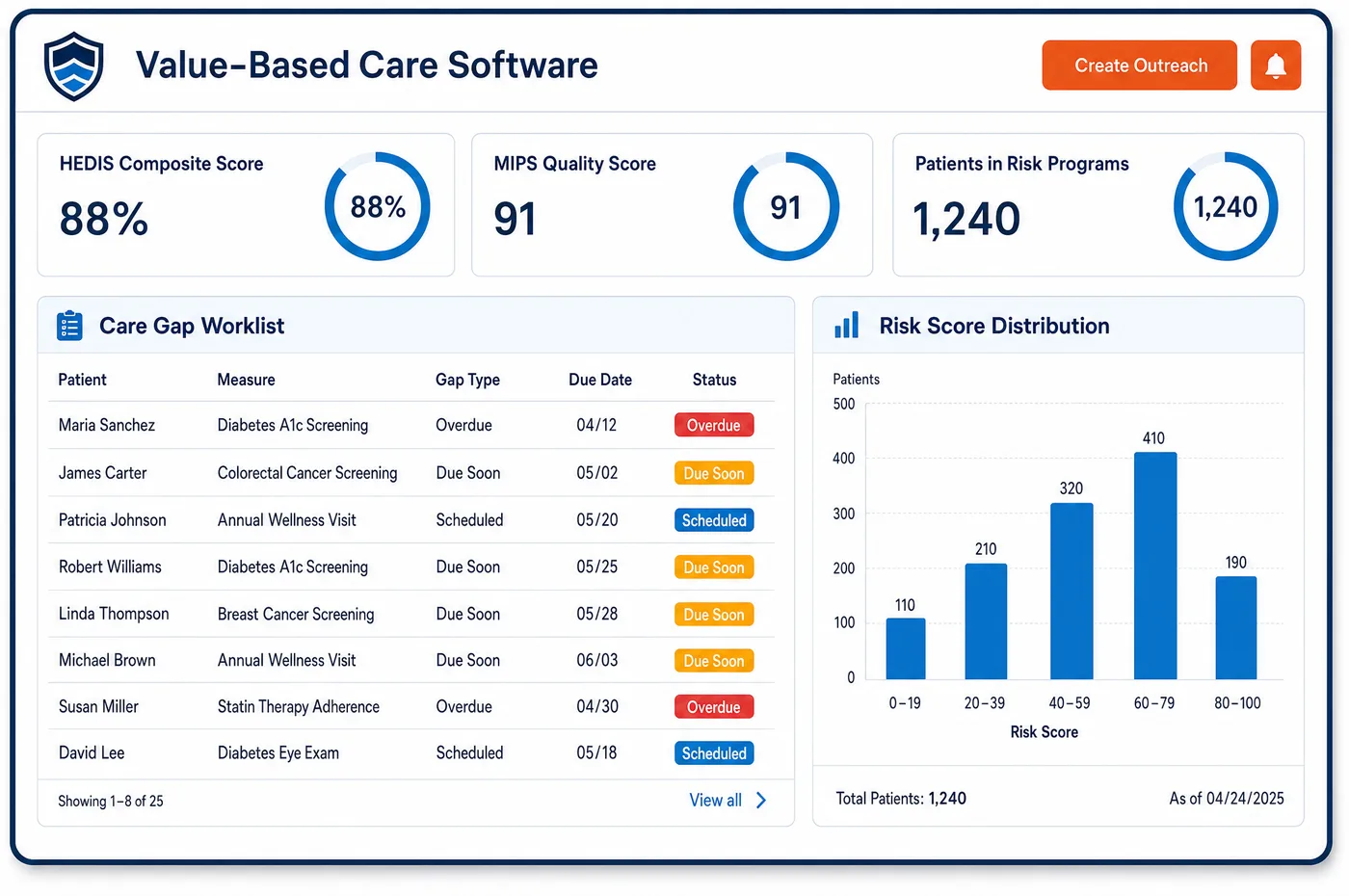
Patient Engagement in a Diagnostic Imaging Practice
Most imaging patients meet the center once for each exam, so every message has to carry its weight. Patient engagement software sends a reminder for the exam booked, with the prep that exam needs, such as a contrast diet note or an instruction to bring prior images. Patients confirm or reschedule by reply, and a freed slot goes to the waitlist. After the study, the same tool supports the notices a mammography center must send. Later it builds the recall list of patients due for another screening and sends the invitation. Balance messages and statements come from the live ledger, so a patient who has paid is not asked again. Staff see every contact on the record, which they reach through imaging patient management. Messages tie back to the booking made in imaging patient scheduling.
Why Is Patient Engagement Different in Diagnostic Imaging?
Imaging engagement starts with a patient who often did not choose the center. A referring office picked it, or the plan did. That patient may not know what the exam involves, who will read it or why two bills may arrive. Clear messages before and after the visit do the job that a long relationship does in other specialties.
Mammography brings messages the law requires. Under the amended MQSA rules, enforced since September 10, 2024, the lay summary sent to the patient must carry the facility's contact details and a breast density statement. The report goes to the referring provider, and suspicious or highly suggestive findings have their own timing rule for the patient summary. The center has to get these notices out the same way each time, and staff need a record that they were sent.
Recall matters here more than in most fields. Medicare covers a screening mammogram once a year for women 40 and older, and low-dose CT lung screening for people aged 50 to 77 who meet the smoking criteria. A patient who is due will not remember. A recall message also has to set the price right, since a screening that turns diagnostic carries coinsurance. Wording and timing are part of the service.
What Diagnostic Imaging Patient Engagement Software Handles
- MQSA patient lay summary
- The summary must name the patient and the facility, with its address and telephone number, and must include one of two breast density statements. Staff queue the letter with each mammogram, and the send is logged on the record. (FDA: Important Information, Final Rule to Amend the Mammography Quality Standards Act (MQSA))
- Report to the referring provider
- Under the MQSA rule the mammography report goes to the patient's health care provider, while the lay summary goes to the patient. The center keeps both sends on one account, so a patient who calls can be told what was sent and when. (FDA: Important Information, Final Rule to Amend the Mammography Quality Standards Act (MQSA))
- Annual screening mammogram recall
- Medicare pays for one screening mammogram a year for women 40 and older, with no deductible or coinsurance if the provider accepts assignment. The recall list is built from the last screening date on the record. (Medicare.gov: Mammograms)
- Diagnostic follow-up and coinsurance
- A diagnostic mammogram carries Part B coinsurance after the deductible. A message that invites a patient back for diagnostic views says so, so the patient does not expect the screening price. (Medicare.gov: Mammograms)
- Lung screening eligibility outreach
- NCD 210.14 covers LDCT for patients aged 50 to 77 with at least 20 pack-years who smoke or quit within the last 15 years. A referring office's list is matched to those facts before an invitation is sent. (CMS National Coverage Determination 210.14: Lung Cancer Screening with Low Dose Computed Tomography (LDCT))
- Estimate offered at booking
- A patient who pays without insurance should get a good faith estimate when scheduling ahead. The booking message offers the estimate and notes where to ask for it. (CMS: What is a good faith estimate?)
How Does Diagnostic Imaging Patient Engagement Software Work?
1. Confirm the exam with its prep
The reminder names the exam, the location and the preparation. A patient with a contrast study gets different notes from a patient having a screening mammogram.
2. Take replies and rebook
Patients confirm, ask to move the visit or cancel by reply. The change flows to the schedule, and a freed slot is offered to waitlisted patients.
3. Send the post-exam notices
Mammography patients get the lay summary and breast density statement. The report goes to the referring provider, and each send is logged against the exam and tied to imaging patient intake answers.
4. Invite patients who are due
A recall list shows who is due for a screening mammogram or a lung screening. The invitation explains what is covered and what may be billed if the visit turns diagnostic.
5. Keep balance messages in step with the ledger
Statements and portal balances come from the same account billing staff see. A patient who has paid is not sent a reminder, and patient invoicing follows the same account.
Diagnostic Imaging Patient Engagement Software vs. Generic Software
| Area | Generic approach | Unlimited Systems |
|---|---|---|
| Exam reminders | A generic text with the date and nothing about the exam. | A reminder that names the exam and its prep. |
| Mammography notices | Letters mailed from a spreadsheet, with no record of the send. | The send logged on the exam, beside the report to the referring provider. |
| Screening recall | Patients wait for the center to remember them. | A due list built from the last screening date. |
| Cost messages | Price discussed at checkout. | Screening and diagnostic costs explained in the invitation. |
| Balances | Portal and billing office disagree. | Messages and statements read from the live ledger. |
Who Uses It in a Diagnostic Imaging Practice
- Front desk: Fewer phone calls asking what to bring or when to arrive, and a queue of replies to work instead of a voicemail box.
- Mammography technologist or lead: A logged record that each lay summary and density statement was sent, ready for the center's quality files.
- Marketing and referral liaison: Recall lists for screening patients and a clear view of which referring offices send patients back for repeat studies.
Diagnostic Imaging Patient Engagement Software FAQs
Patient engagement software helps an imaging center by sending the right message for each exam. A patient gets a reminder with the prep for that study, a way to confirm or reschedule, notices after a mammogram, a recall when a screening is due, and balance messages that match the account. Staff see each contact on the record.
Under the amended MQSA rules, enforced since September 10, 2024, a patient receives a lay summary that includes the patient and facility names, the facility's address and telephone number, and a breast density statement. The mammography report goes to the health care provider. Patient engagement tools queue each notice and log that it went out.
A center can build a due list from the date of each patient's last screening. Medicare covers a screening mammogram once a year for women 40 and older, so an invitation can go when a patient is due. The message should say that a screening that turns diagnostic carries coinsurance.
Lung screening invitations go to patients who may meet NCD 210.14 criteria: age 50 to 77, no signs of lung cancer, at least 20 pack-years, and current smokers or those who quit within the last 15 years. A first scan also needs a counseling visit and an order, so the invitation points the patient to that visit first.
An imaging reminder names the exam, the place and the preparation that applies. A contrast study may come with food or drink notes, an MRI with a request to list implants, and a mammogram with a note to bring prior images from another center. The center sets the wording for each exam type, and staff review it.
Balances and statements come from the same ledger staff use, so patients see what billing sees. Since the radiologist and the center may bill separately, the message tells the patient who each bill is from. A patient who has paid does not get a reminder, which cuts calls to the billing office.
Related Diagnostic Imaging Software
Front office
Patient Engagement for related specialties
Sources
GET STARTED
See Unlimited Systems in Action
Whether you're actively evaluating new technology or simply preparing for your next vendor renewal, Unlimited Systems can help you understand where your current workflows may be creating avoidable revenue risk.