

Front office
Chronic Care Patient Engagement Software
Secure messages, care plan access, device reading nudges and post-discharge outreach that keep enrolled patients in touch with their care team between visits.
Chronic Care Patient Engagement Software keeps enrolled patients in touch with their care team between visits. It sends call and visit reminders, secure two-way messages, prompts to take device readings, care plan updates through the portal, and outreach after a hospital stay, with every reply landing on the patient record.



 6,500+ specialty providers
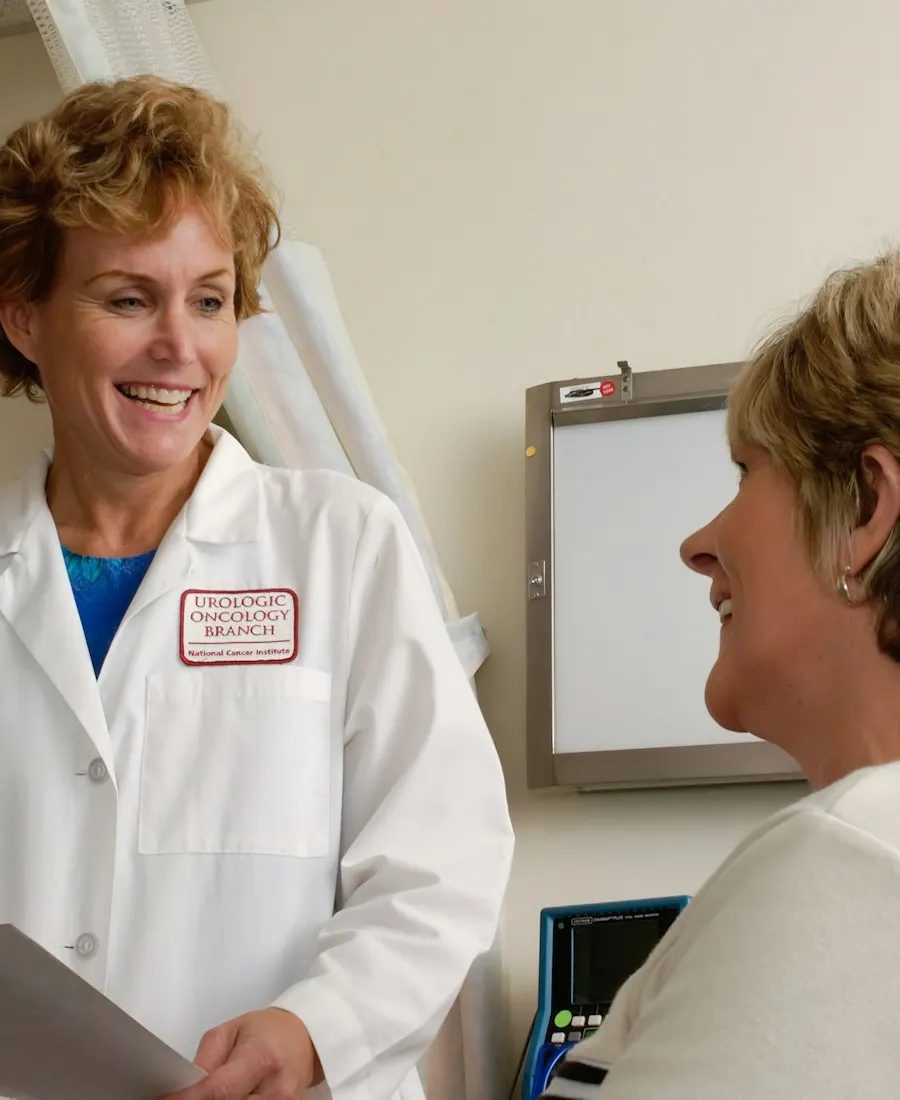
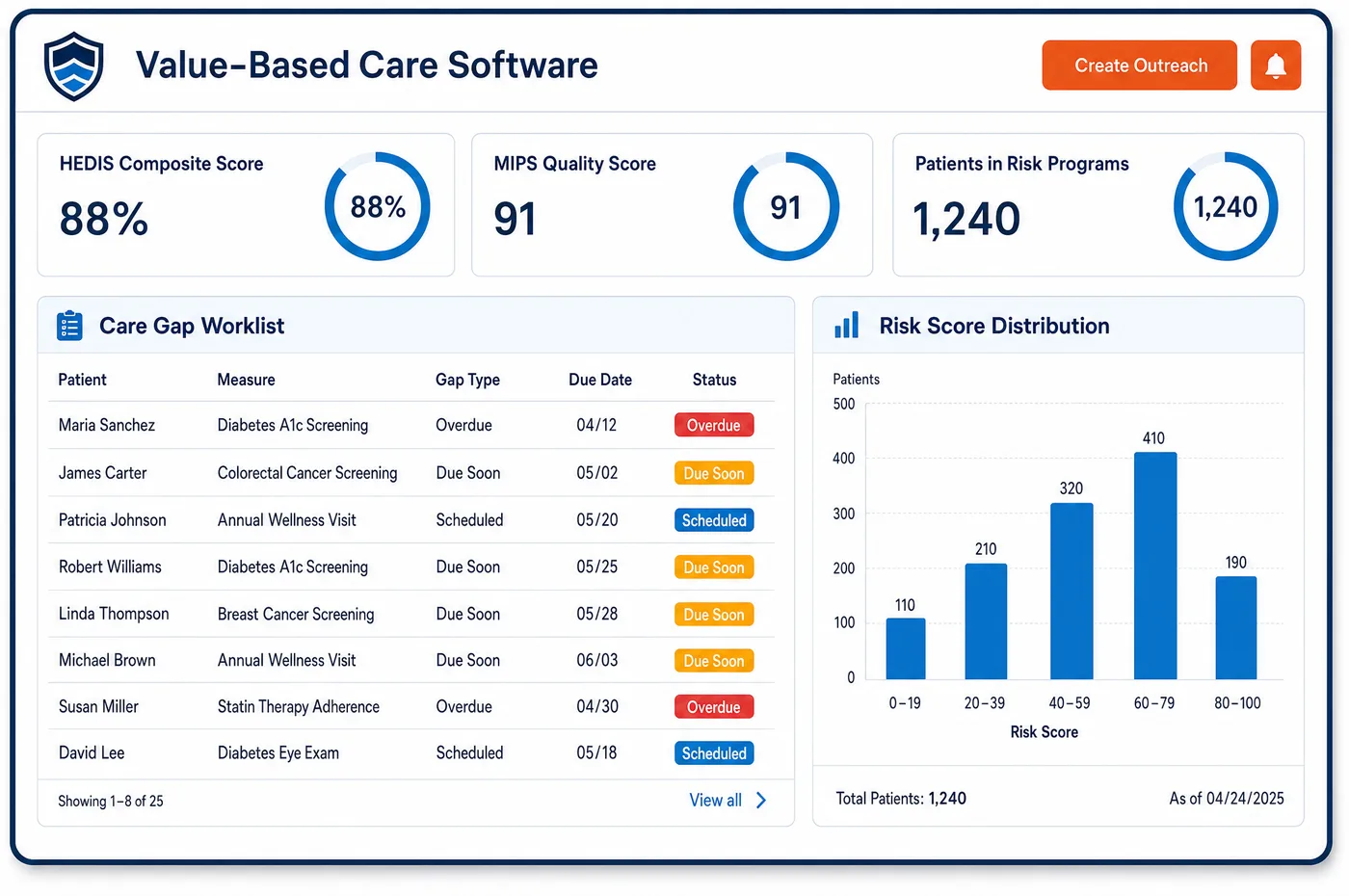
Patient Engagement in a Chronic Care Practice
Engagement is most of the work in care management. A CCM patient needs a way to reach the team by phone and by secure message, and access to urgent help at any hour. The portal holds the care plan, so the patient and caregiver can read the same goals the team works from. A patient on remote monitoring gets a nudge when readings stop arriving, since a quiet device can mean a dead battery or a patient who feels unwell. Treatment management for remote monitoring also needs a live, two-way exchange with the patient or caregiver each month. After a hospital stay, outreach goes out at once, because transitional care needs contact within two business days. Chronic care patient engagement software reads from the live schedule and record. A message about a call names the right care team member, and a reply about a missed reading reaches the nurse who watches that device.
Why Is Patient Engagement Different in Chronic Care?
Patients with several chronic conditions change between visits. Blood pressure creeps up, weight climbs with heart failure, or a new drug causes side effects. A practice that only hears from them at the next visit hears too late. Regular, planned contact is the core of the service, and CMS builds it into CCM through 24/7 access and a named care team member.
The channels have to suit older patients and their caregivers. Some prefer a phone call to a text. Some can use a portal only with help from a family member. Patient engagement in chronic care needs several channels on one record, so a message sent by text and a reply by phone end up in the same place, and nobody has to ask the patient twice.
Engagement also drives the codes. A remote monitoring device only supports a monthly code when readings arrive on enough days, and treatment management needs live interactive communication. A transitional care period needs early contact. None of this works if outreach is a mass text sent on a fixed date. It has to follow each patient's programs and the month as it runs.
What Chronic Care Patient Engagement Software Handles
- Secure messaging and portal access for CCM
- CCM calls for ways to reach the care team by phone and by secure messaging, a secure website or a patient portal. The portal also holds the care plan, which patients and caregivers can receive a copy of. (CMS MLN Booklet: Chronic Care Management Services (MLN909188))
- APCM enhanced communication
- APCM's service elements include enhanced communication, such as asynchronous messaging, remote review of recorded information and patient-initiated digital messages. Messages and images that patients send are stored on the record for the practitioner to review. (CMS: Advanced Primary Care Management Services)
- Live contact for RPM treatment management (99457, 99458, 99470)
- CMS adopted the CPT language that 99457, 99458 and 99470 require a live, interactive communication with the patient or caregiver. The exchange counts toward total time but need not fill all of it, so the call is logged with its length. (Federal Register: CY 2026 Physician Fee Schedule final rule (November 5, 2025), remote monitoring and APCM sections)
- Reading days for device codes (99445, 99454)
- For 2026, 99445 covers two to fifteen days of readings in a thirty-day period and 99454 covers sixteen to thirty. Only one is billed per period. Reminders go out when a patient's readings stop, so care isn't lost to a forgotten device. (Federal Register: CY 2026 Physician Fee Schedule final rule (November 5, 2025), remote monitoring and APCM sections)
- Post-discharge contact (99495, 99496)
- Transitional care under 99495 and 99496 needs contact with the patient or caregiver within two business days of discharge, by phone, email or in person. Outreach starts as soon as the discharge is known, and each attempt is logged. (CMS MLN Booklet: Transitional Care Management Services (MLN908628))
- Right to stop at any time
- Patients can stop CCM at any time, effective at the end of the calendar month. A reply asking to stop is routed to staff, who record it and confirm the end date with the patient. (CMS MLN Booklet: Chronic Care Management Services (MLN909188))
How Does Chronic Care Patient Engagement Software Work?
1. Set channels and contacts
Each patient's preferred channel, language and best time to call are stored, along with caregivers who may receive messages. Opt-outs are tracked on the record.
2. Remind before calls and visits
Reminders follow the live calendar from chronic care patient scheduling, so a patient hears which care team member will call and when. Patients can confirm or ask to move the call by reply.
3. Nudge when readings stop
When a remote patient monitoring device goes quiet, the patient gets a prompt to check it. A nurse sees the gap on the record and calls if the prompt doesn't work.
4. Answer messages in one place
Texts, portal messages and phone notes land on the patient record. The care team answers them there, and urgent messages go to the on-call clinician.
5. Reach out after discharge
A reported discharge starts outreach at once, and every attempt is logged. Balance questions are routed to chronic care patient billing instead of the care team.
Chronic Care Patient Engagement Software vs. Generic Software
| Area | Generic approach | Unlimited Systems |
|---|---|---|
| Contact between visits | No contact until the next office visit. | Planned calls and messages tied to each patient's programs. |
| Device readings | Gaps found after the month is over. | A prompt goes out when readings stop, and a nurse follows up. |
| Channels | Texts in one tool and calls in another. | Texts, portal messages and calls on one patient record. |
| Care plan access | Patients never see the plan. | The care plan is readable in the portal by the patient and caregiver. |
| Discharges | The practice learns of a discharge at the next visit. | Outreach starts when the discharge is reported. |
Who Uses It in a Chronic Care Practice
- Care manager: One inbox for each patient's texts, portal messages and call notes, with device gaps flagged for follow-up.
- Patient or caregiver: An easy way to reach the team, read the care plan, and confirm or move a call by text.
- Practice owner: Steady contact with enrolled patients and better follow-up after discharge, which supports value-based care for chronic conditions and payer quality programs.
Chronic Care Patient Engagement Software FAQs
Patient engagement software for care management sends reminders before calls and visits, secure two-way messages, prompts when device readings stop, care plan updates through the portal and outreach after a hospital stay. Messages read from the live schedule and record, so each one names the right care team member and each reply lands where the team can act on it.
CMS adopted the CPT rule that 99457, 99458 and 99470 require a live, interactive communication with the patient or caregiver. That exchange counts toward the total time, but it does not need to make up all of it. CMS did not list further limits on the type of exchange, as long as it meets the CPT language.
When readings stop, the patient gets a prompt to check the device, and a nurse sees the gap on the record. The number of reading days also decides the device code: 99445 covers two to fifteen days in a thirty-day period, and 99454 covers sixteen to thirty. The goal is care, so the nurse calls if something seems wrong.
CCM and APCM both call for round-the-clock access to a practitioner or clinical staff for urgent needs. After-hours messages and calls go to the on-call clinician, who can see the care plan on the record. Routine questions wait for the patient's named care team member during the day.
Caregivers can get messages when the patient has agreed, and many care management patients rely on one. The caregiver's phone number and what they may discuss are stored on the record. The care plan can also be shared with caregivers, since CMS expects a copy to go to patients and caregivers when needed.
Transitional care needs contact with the patient or caregiver within two business days of discharge. When a discharge is reported, outreach starts at once by phone or text, and each attempt is logged. The follow-up visit is then booked inside the window for the TCM code the practitioner plans to bill.
Related Chronic Care Software
Front office
Patient Engagement for related specialties
Sources
GET STARTED
See Unlimited Systems in Action
Whether you're actively evaluating new technology or simply preparing for your next vendor renewal, Unlimited Systems can help you understand where your current workflows may be creating avoidable revenue risk.