

Front office
Behavioral Health Patient Engagement Software
Session reminders, between-visit check-ins, safe messaging and outreach that keep clients in care from week to week.
Behavioral Health Patient Engagement Software keeps clients connected between sessions. It sends reminders for therapy, groups and program days, short check-ins such as a repeat PHQ-9, and outreach when someone misses a week. Messages stay vague about the care itself, reach only approved contacts, and every reply lands on the client record.



 6,500+ specialty providers

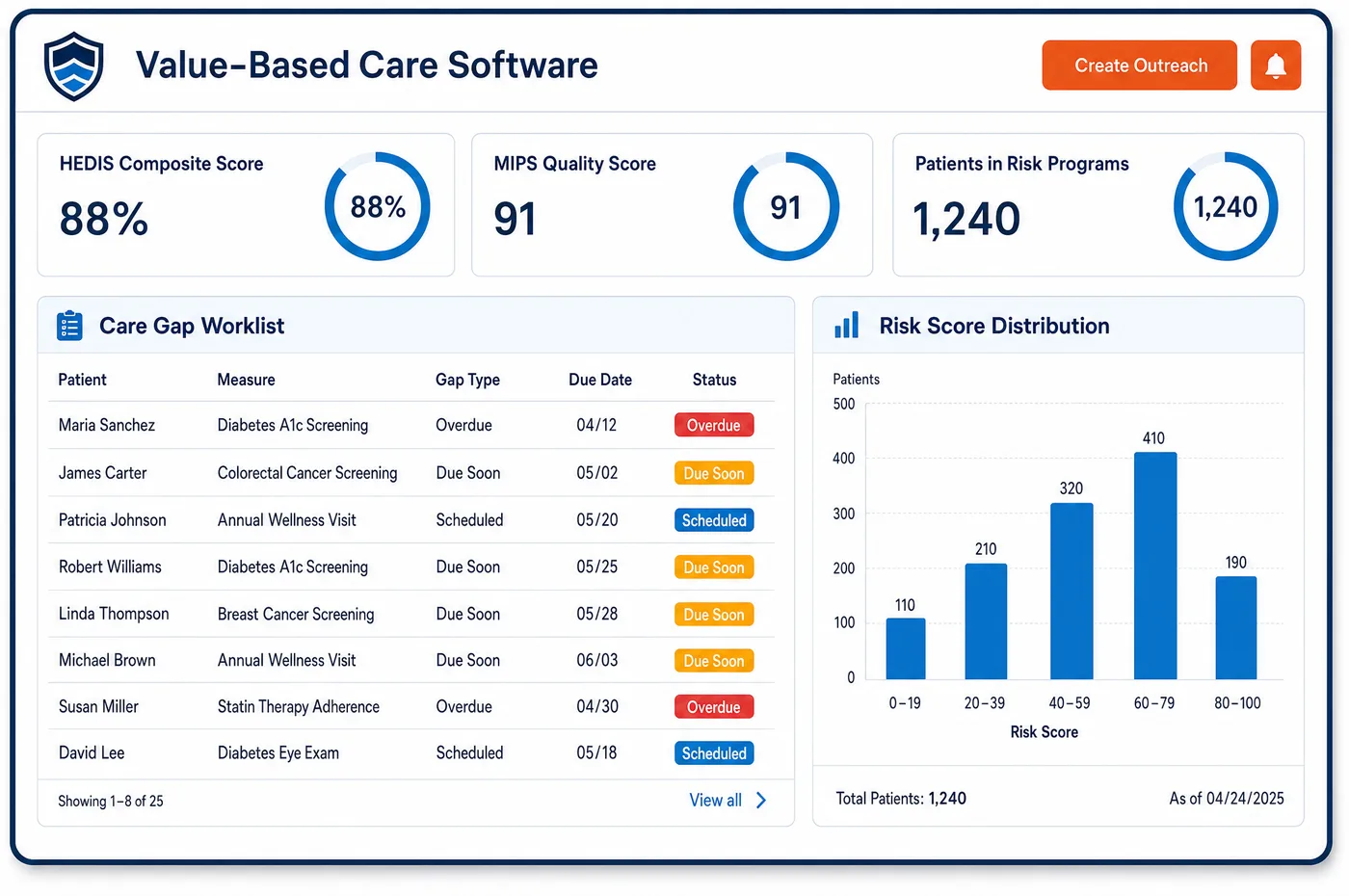
Patient Engagement in a Behavioral Health Practice
Engagement in behavioral health is about keeping people in care. Weekly therapy works only if the client keeps coming, and dropout often starts with one missed week. Behavioral health patient engagement software reads the live schedule, so each reminder names the right time, clinician and format. Video clients get a secure link. Phone-only clients are told to expect a call. Between sessions, check-ins go out on the plan the clinician sets, and scores return to the record for the next visit. When a client misses a session, outreach starts that day, and staff see who has gone quiet. Texts leave out diagnoses and service names. Messages to parents, partners or guardians go only to contacts the client approved, with extra limits for substance use records. Clients can answer by reply or through the secure patient portal, where copays and balances match the ledger staff use.
Why Is Patient Engagement Different in Behavioral Health?
Dropout is the quiet risk in outpatient care. A client skips one session, feels awkward about it and never books again. Reminders tied to the real schedule, plus a quick personal follow-up after a missed week, bring many of them back. Generic reminder blasts on a fixed calendar do not.
Measuring progress also happens between visits. Many therapists repeat the PHQ-9 or GAD-7 to see whether care is working, and payers ask for that data more often in value-based care programs. Sending the tool by text before a session saves time in the room and gives the clinician a trend, not a single score.
Privacy is the limit on everything else. A text that says the client has a therapy appointment can harm someone in an unsafe home. Minors, shared phones and family contacts all need care. Substance use records carry their own consent and notice rules. Good engagement says enough to be useful and nothing more.
What Behavioral Health Patient Engagement Software Handles
- Audio-only option for home telehealth
- Medicare allows audio-only mental health care to a patient's home when the patient can't use video or prefers not to. Reminders for those clients name a phone number to expect, not a video link. (CMS MLN Booklet: Medicare & Mental Health Coverage (MLN1986542, March 2026))
- Notice on Part 2 disclosures to family (42 CFR 2.32)
- When a client's Part 2 consent lets staff share treatment details with a relative, that disclosure must carry the Part 2 notice. Outreach to family goes only to the people named under that consent. (eCFR: 42 CFR 2.32, Notice and copy of consent to accompany disclosure)
- Monthly care integration (G0323)
- For Medicare clients, G0323 pays a therapist, social worker, counselor or psychologist for monthly care integration they personally furnish. Calls and messages between sessions are logged, so that monthly work is documented. (CMS MLN Booklet: Medicare & Mental Health Coverage (MLN1986542, March 2026))
- Health behavior follow-ups (96158, 96159)
- Medicare lets psychologists, clinical social workers, marriage and family therapists and mental health counselors bill health behavior intervention codes such as 96158. Reminders and messages support those sessions for clients coping with a physical illness. (CMS MLN Booklet: Medicare & Mental Health Coverage (MLN1986542, March 2026))
- Program attendance in intensive outpatient care
- Medicare's IOP benefit rests on a weekly minimum of services that a physician determines the client needs. Day-before reminders and same-day outreach after a missed block help clients keep that minimum. (CMS MLN Booklet: Medicare & Mental Health Coverage (MLN1986542, March 2026))
- CCBHC outreach for every client
- CCBHCs serve clients regardless of ability to pay, so outreach covers uninsured and grant-funded clients in the same way it covers insured ones. (SAMHSA: CCBHC Certification Criteria)
How Does Behavioral Health Patient Engagement Software Work?
1. Store channels and contact consent
Each client's preferred channel, quiet hours and contact consent sit on the record. Approved family contacts and guardians are listed by name.
2. Remind from the live schedule
Reminders follow the real calendar, from a weekly session to an evening program block. Changes made on the therapy calendar flow into the next reminder.
3. Send check-ins on the clinician's plan
Short tools such as the PHQ-9 or GAD-7 go out before set sessions. Scores come back to the record for the clinician to review.
4. Follow up after a missed session
A missed visit starts outreach the same day, by text and then by phone. Staff log each attempt and its outcome.
5. Answer billing questions in one place
Copay and balance questions go to the portal or to behavioral health patient billing. The portal shows the same balance staff see.
Behavioral Health Patient Engagement Software vs. Generic Software
| Area | Generic approach | Unlimited Systems |
|---|---|---|
| Reminders | Blasts sent on a fixed calendar. | Reminders read from the live schedule. |
| Missed sessions | Noticed weeks later, if at all. | Same-day outreach with every attempt logged. |
| Message content | Texts name the clinic type or the service. | Texts leave out diagnoses and service names. |
| Family contacts | Whoever answers the phone is told. | Only approved contacts get messages. |
| Progress measures | Paper scales scored in session. | Check-ins sent ahead and scored on return. |
Who Uses It in a Behavioral Health Practice
- Front desk: Fewer calls to confirm or move sessions, since clients reply to reminders directly. New clients still get pre-session intake forms through the same channel.
- Therapist: Scores before each session and a list of clients who missed a week, so outreach happens while it can still help.
- Clinical director: A log of every outreach attempt by clinician and program, ready for audits and payer reviews.
Behavioral Health Patient Engagement Software FAQs
Behavioral health patient engagement reads the live schedule, so reminders name the right time, clinician and format. When a client misses a session, outreach starts that same day and each attempt is logged. Staff can see who has gone quiet, and clients can rebook by reply, which brings many back before they drop out.
Reminder texts give the time and how to join or arrive, and leave out diagnoses, clinician specialties and service names. Clients choose their channel and quiet hours, and they can opt out. That matters when phones are shared or a client lives with someone who shouldn't know about their care.
Check-ins such as the PHQ-9 or GAD-7 can go out by text or email before set sessions, on a plan the clinician chooses. Clients answer on their phones, scores are saved to the record, and the clinician sees the trend at the next visit. That supports measurement-based care without using session time.
Parents of minors and family members chosen by adult clients can receive messages when they are listed as approved contacts. For substance use records covered by 42 CFR Part 2, sharing treatment details needs the client's written consent, and each disclosure must carry the Part 2 notice. Messages go only to the contacts on file.
Medicare allows audio-only mental health care to the home when the client cannot use video or prefers not to. Reminders for those clients say to expect a phone call at the session time instead of sending a video link. The choice is stored on the record, so the clinician and front desk know ahead of time.
Intensive outpatient programs depend on clients attending most planned blocks each week. Reminders go out before each program day, and a missed block starts same-day outreach. Attendance and contact attempts are logged on the record, which helps the program keep each client on the plan the physician certified.
Related Behavioral Health Software
Front office
Patient Engagement for related specialties
Sources
GET STARTED
See Unlimited Systems in Action
Whether you're actively evaluating new technology or simply preparing for your next vendor renewal, Unlimited Systems can help you understand where your current workflows may be creating avoidable revenue risk.