

Front office
Psychiatry Patient Engagement Software
Reminders, secure messages, symptom check-ins and outreach that keep psychiatric patients connected between visits.
Psychiatry Patient Engagement Software keeps patients connected to care between psychiatric visits. It sends visit and treatment session reminders, secure two-way messages, symptom check-ins such as a repeat PHQ-9, and outreach after a missed visit or a hospital stay. Every message reads from the live schedule and record, and replies land back on it.



 6,500+ specialty providers
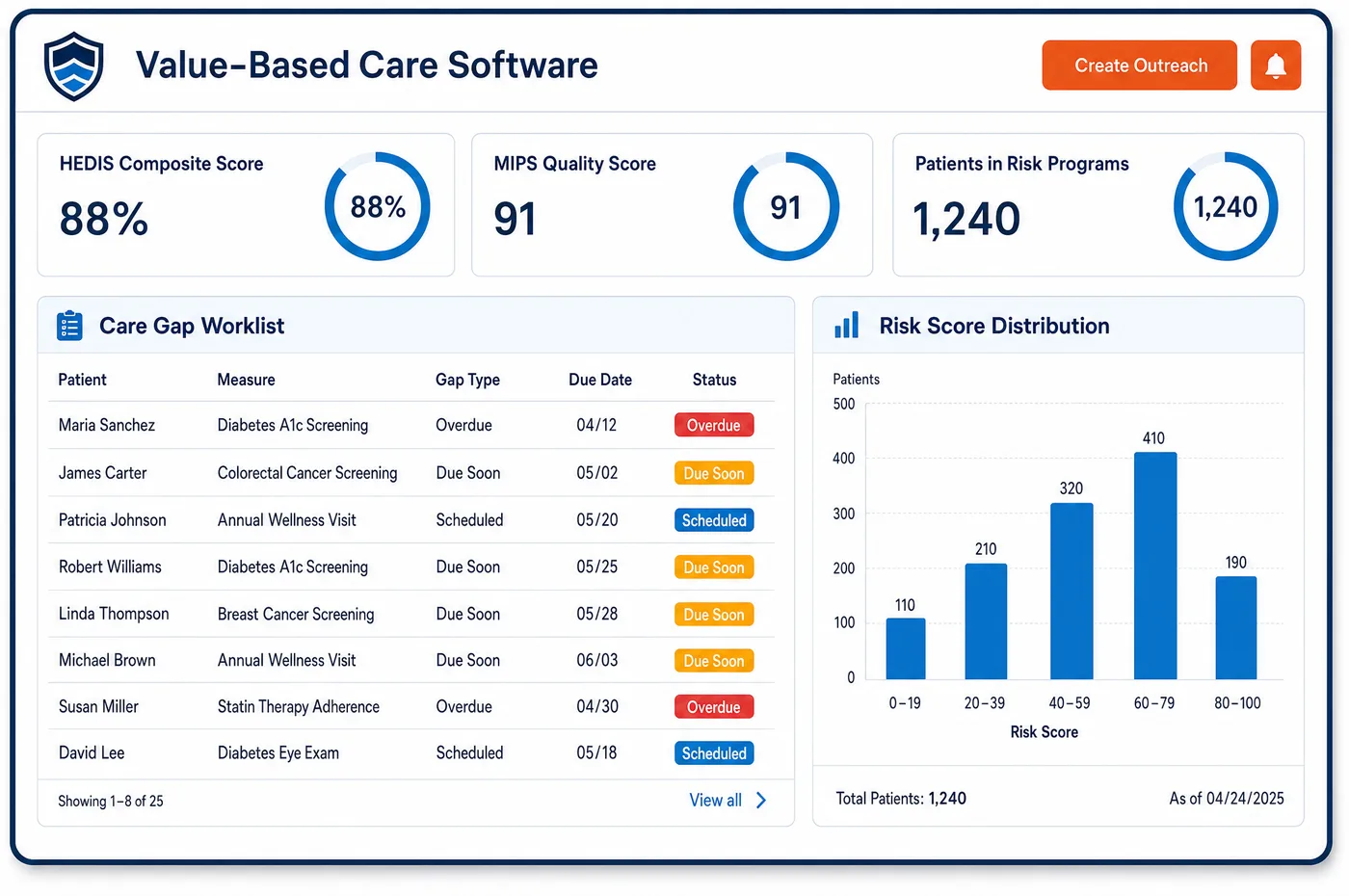
Patient Engagement in a Psychiatry Practice
Engagement in psychiatry runs on the schedule and the record. A patient booked for a new evaluation gets a reminder and a link to forms. A patient in a TMS course gets a reminder before each session. A Spravato patient is reminded to arrange a ride home. Between visits, short symptom check-ins go out on the plan the clinician set, and the scores flow back to the chart. A patient can answer a reminder to confirm, move the visit or ask something. The portal shows upcoming visits and balances from the same ledger staff use. When a patient misses a visit or leaves the hospital, outreach goes out and each contact is logged. Psychiatry patient engagement software also respects the limits of the specialty. It tracks consent and opt-outs, keeps sensitive details out of texts, and points anyone in crisis to the 988 Lifeline.
Why Is Patient Engagement Different in Psychiatry?
Psychiatric care happens mostly between visits. Patients adjust to new medications, work on what they learned in therapy, and may get worse before the next appointment. A practice that only talks to patients on visit days misses the changes that matter. Short, planned contact between visits, such as a repeat rating scale, gives clinicians earlier warning.
Missed visits also cost more here. A no-show in psychiatry is an empty slot, but it can also be a sign that a patient is struggling. Reminders that read the live schedule, and outreach when a patient drops off, protect both the schedule and the patient. Follow-up after a hospital stay is a quality measure in many payer programs, and it starts with reaching the patient.
Privacy is stricter, too. A text that names a diagnosis or a medication can be read by anyone holding the phone. Messages to family members need the patient's consent, and substance use records need Part 2 consent. Patient engagement in psychiatry has to be useful without saying too much, and it has to give a clear path to crisis help when a message can't wait.
What Psychiatry Patient Engagement Software Handles
- Post-discharge follow-up contacts (G0544)
- After a patient leaves an emergency department or psychiatric unit, outreach calls can be planned and logged. Medicare pays for these contacts once a month, covering up to four calls, and requires patient consent before or during the first call. (CMS MLN Booklet: Medicare & Mental Health Coverage (MLN1986542))
- Collaborative care registry outreach (99492, 99493)
- Care managers in collaborative care follow up with patients on a registry and repeat validated rating scales. Reminders and messages make that outreach routine, and each response is logged to the record. (CMS MLN Booklet: Behavioral Health Integration Services (MLN909432))
- Spravato ride-home reminders
- The Spravato REMS requires counseling that patients need arrangements to leave the setting safely after a dose. Reminders before each session repeat that the patient should plan a ride home. (SPRAVATO REMS Program Overview)
- 988 Suicide and Crisis Lifeline
- Messaging can't replace crisis care. Practices can add the 988 Lifeline to after-hours replies and message templates, so a patient who writes in crisis is pointed to help at once. (CMS MLN Booklet: Medicare & Mental Health Coverage (MLN1986542))
- Part 2 limits on family messages
- For patients in a Part 2 program, messages that share treatment details with family follow the patient's written consent. Authorized contacts are listed on the record, and outreach goes only to them. (eCFR: 42 CFR Part 2, Confidentiality of Substance Use Disorder Patient Records)
How Does Psychiatry Patient Engagement Software Work?
1. Set channels and consent
Each patient's preferred channel, language and contact consent are stored on the record. Opt-outs are tracked, and authorized family contacts are listed for minors and for adults who want them.
2. Remind before every visit and session
Reminders follow the live schedule, from a new evaluation to each TMS session. Video visit reminders carry the link, and Spravato reminders carry the ride-home note.
3. Check in between visits
Short symptom check-ins, such as a repeat PHQ-9, go out between visits on a set plan. Scores come back to the record, so the clinician sees change before the next visit.
4. Answer secure messages
Patients write in by text reply or through the patient portal. Messages land on the patient record where staff answer them, and after-hours replies point to 988 for anyone in crisis.
5. Reach out after gaps and discharges
Patients who miss a visit, have no follow-up booked, or leave the hospital get outreach on a plan. Balance questions go to psychiatry patient billing, and each contact is logged on the record.
Psychiatry Patient Engagement Software vs. Generic Software
| Area | Generic approach | Unlimited Systems |
|---|---|---|
| Reminders | Fixed-calendar blasts that ignore the live schedule. | Reminders follow the real schedule, down to each TMS session. |
| Between-visit check-ins | No contact until the next appointment. | Planned symptom check-ins with scores saved to the record. |
| Crisis messages | A patient in crisis waits in a general inbox. | After-hours replies point to the 988 Lifeline. |
| Family contacts | Staff guess who may be told what. | Authorized contacts and consents are listed on the record. |
| Portal balances | The portal shows a balance that already changed. | The portal mirrors the live ledger. |
Who Uses It in a Psychiatry Practice
- Front desk: Fewer confirmation calls, since patients confirm and reschedule by reply and reminders carry the video link. Forms still go out through pre-visit intake.
- Psychiatrist or care manager: Symptom scores between visits and a log of every outreach, so a worsening patient is seen sooner. Collaborative care teams use the same log when they bill collaborative care codes.
- Practice owner: A fuller schedule and better follow-up after discharge, which supports value-based care in psychiatry and payer quality programs.
Psychiatry Patient Engagement Software FAQs
Psychiatry patient engagement software sends visit and treatment session reminders, secure two-way messages, symptom check-ins such as a repeat PHQ-9, and outreach after missed visits or hospital stays. Messages read from the live schedule and record, so a TMS patient is reminded before each session and a video visit reminder carries the right link.
The clinician sets a plan, such as a repeat PHQ-9 between appointments, and the check-in goes out by text or email on that plan. The patient answers on their phone, and the score is saved to the record. Clinicians see the trend before the next visit and can act sooner when scores get worse.
Secure messaging is not a crisis line, and patients should be told that. Practices can add the 988 Suicide and Crisis Lifeline to after-hours replies and message templates. A patient who writes in during a crisis is pointed to immediate help, and staff follow the practice's urgent message policy when they read it.
Reminders can be written to leave out diagnoses, medications and treatment names. A message can give the time and link for an upcoming visit without saying it is psychiatric care. Patients choose their channel and can opt out at any time, and their contact consent is tracked on the patient record.
Family members can get messages when the patient has authorized it, for example a parent of a minor or an adult patient's chosen support person. Authorized contacts are listed on the record. For substance use disorder records under 42 CFR Part 2, messages that share treatment details follow the patient's written consent.
After a psychiatric hospital stay or emergency visit, patient engagement outreach helps book the follow-up visit and reach the patient by phone or text. Each contact is logged on the record. Medicare also pays for post-discharge follow-up contacts under code G0544 when the patient agrees, and many payer quality programs track follow-up after hospitalization.
Related Psychiatry Software
Front office
Patient Engagement for related specialties
Sources
GET STARTED
See Unlimited Systems in Action
Whether you're actively evaluating new technology or simply preparing for your next vendor renewal, Unlimited Systems can help you understand where your current workflows may be creating avoidable revenue risk.