

Platform & AI
Psychiatry EHR Integration Software
Connect the psychiatric EHR to billing so visits, therapy time, telehealth details and scores reach the claim without re-keying.
Psychiatry EHR Integration Software connects a psychiatric practice's EHR to its billing system. Demographics, appointments, E/M and psychotherapy charges, documented therapy time, telehealth details and screening scores flow to billing as they are recorded, while psychotherapy notes stay in the clinical record where HIPAA expects them to be.



 6,500+ specialty providers

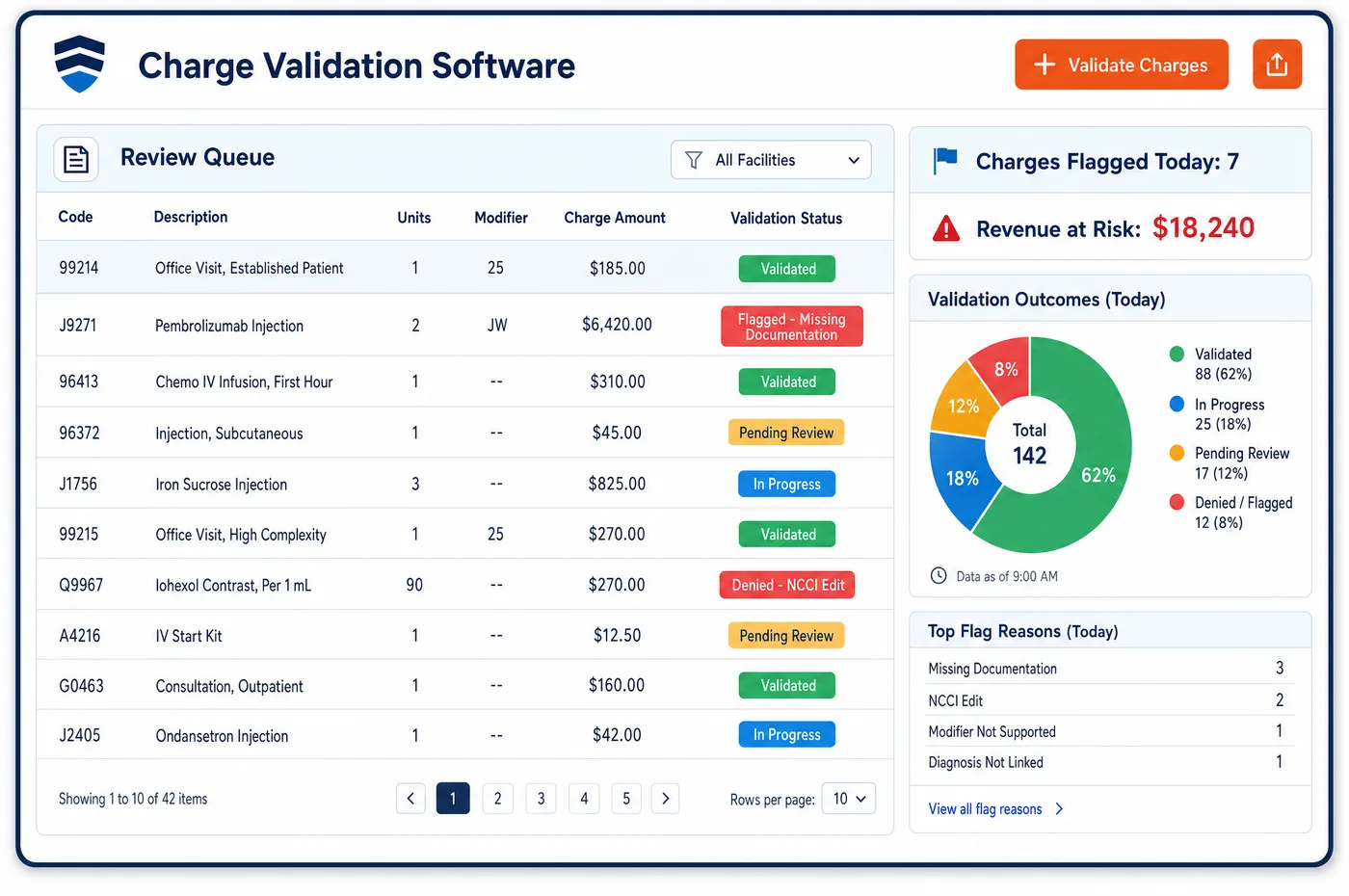
EHR Integration in a Psychiatry Practice
In psychiatry, the claim depends on details only the EHR holds. Billing needs to know whether a med check included therapy, how long the therapy lasted apart from the E/M work, and whether the patient was on video or phone. Unlimited Systems receives those details through pre-built connectors to EHRs such as Epic, Cerner, athenahealth, eClinicalWorks, NextGen and AdvancedMD. HL7 messages carry demographics and appointments, and charge messages carry the CPT codes, time and modifiers. FHIR feeds carry structured items such as PHQ-9 totals. The connection is two-way: insurance and demographic changes made at the front desk flow back to the chart. Billing receives what it needs and nothing more. Start and stop times reach the claim, but the content of a therapy session stays in the EHR. Each interface is tested in a sandbox before go-live and watched in real time after. Standards and outside partners are covered under psychiatry interoperability.
Why Is EHR Integration Different in Psychiatry?
Psychiatric coding rests on clinical detail. An E/M visit with a psychotherapy add-on needs the therapy time documented apart from the E/M work. A standalone session needs start and stop times or a total. A video visit needs its modality recorded. If that detail lives only in a note, someone has to read the note and type the codes. EHR integration in psychiatry has to carry the detail, not just the visit.
Privacy changes what should move at all. HIPAA gives psychotherapy notes, the therapist's separate session notes, extra protection. The same rule says session start and stop times, medication details and diagnosis summaries are not psychotherapy notes. That line is useful: billing can receive the times and codes it needs while the session notes never leave the EHR. Integration should be built around it.
Psychiatric practices also run more than one clinical tool. Many add a telehealth platform, a screening tool for measurement-based care, or a separate system for a TMS program. Each one produces facts that billing needs. A practice should not have to change EHRs to get clean claims. It needs a billing platform that connects to the systems its clinicians already use.
What Psychiatry EHR Integration Software Handles
- Psychotherapy notes boundary
- HIPAA's definition of psychotherapy notes excludes session start and stop times, medication details and diagnosis summaries. Billing receives those items, and the session notes stay in the EHR. (45 CFR 164.501: Definitions, including psychotherapy notes)
- E/M with add-on time
- Psychotherapy time billed with an E/M service does not include the E/M time. The EHR sends therapy minutes as their own field so the add-on code can be checked. (CMS Billing and Coding Article A57520: Psychiatric Diagnostic Evaluation and Psychotherapy Services)
- Telehealth modality to POS and modifier
- The encounter's setting and modality come from the EHR or telehealth platform. They set POS 02 or 10 and modifier 95 or 93 on the claim line. (CMS Medicare Claims Processing Manual, Chapter 26)
- PHQ-9 totals over FHIR
- Scores recorded in the EHR arrive as coded results under LOINC 44261-6. Billing and quality tools read the same value the clinician saw. (LOINC 44261-6: PHQ-9 total score)
- Diagnostic evaluations 90791 and 90792
- The EHR shows whether an evaluation included medical services. That decides between 90791 and 90792 on the charge. (CMS Billing and Coding Article A57520: Psychiatric Diagnostic Evaluation and Psychotherapy Services)
- Part 2 consent status
- Where the EHR tracks 42 CFR Part 2 consent, the status can travel with the patient record as a custom field. Billing staff see it before releasing records or claim attachments. (HHS: Confidentiality of Substance Use Disorder Patient Records (42 CFR Part 2))
How Does Psychiatry EHR Integration Software Work?
1. Match the patient
HL7 ADT messages send new and updated demographics and coverage. Duplicate checks stop a second record from forming.
2. Sync the schedule
Appointments flow from the EHR with visit type and modality. Billing knows ahead of time which visits are video, phone or in person.
3. Send the charge
When the note is signed, the charge message carries CPT codes, therapy time and modifiers. That is charge capture without retyping.
4. Carry structured results
PHQ-9 and GAD-7 totals and other coded items arrive over FHIR. They feed quality measures and dashboards.
5. Send updates back
Insurance and demographic changes made in billing flow back to the EHR. Both systems keep the same patient facts.
6. Watch the interface
Every feed is monitored in real time. A stalled interface is caught before charges go missing.
Psychiatry EHR Integration Software vs. Generic Software
| Area | Generic approach | Unlimited Systems |
|---|---|---|
| Charges | Billers read notes and type codes. | Charges arrive with codes, time and modifiers. |
| Therapy time | Time buried in note text. | Therapy minutes sent as their own field. |
| Telehealth | Modality guessed from the schedule. | Modality sent from the encounter itself. |
| Privacy | Whole notes exported to billing. | Only billing data moves, and session notes stay put. |
| EHR choice | Billing vendor pushes its own EHR. | Connects to the EHR the clinicians already use. |
Who Uses It in a Psychiatry Practice
- Psychiatrist or therapist: Document once in the EHR and see the visit billed correctly, with no separate charge sheet to fill in.
- Billing manager: Charges that arrive complete and ready for charge assembly, with time and modality already on the line.
- IT lead: Pre-built connectors, a sandbox for testing, and real-time interface monitoring instead of a custom build per system.
Psychiatry EHR Integration Software FAQs
EHR integration links the psychiatric EHR to billing so demographics, appointments, charges, therapy time, telehealth details and screening scores move without re-keying. Changes made in billing flow back to the chart. Clinicians document once, billers work from complete charges, and psychotherapy notes stay in the clinical record.
Billing does not need psychotherapy notes and should not receive them. HIPAA defines those notes narrowly and excludes session start and stop times, medication details and diagnosis summaries. The EHR integration sends those billing items as data fields, while the content of each therapy session stays in the EHR.
Therapy time is sent from the EHR as its own field, apart from any E/M time. For an E/M visit with a psychotherapy add-on, that lets billing check the add-on against the therapy minutes alone. For a standalone session, the time picks the right timed code without anyone reading the note.
Pre-built connectors cover EHRs such as Epic, Cerner, MEDITECH, athenahealth, eClinicalWorks, NextGen, Veradigm, AdvancedMD, CureMD and Modernizing Medicine. Practices keep the EHR their clinicians chose. Each connection is tested in a sandbox before it goes live, and its traffic is watched in real time after.
The EHR or telehealth platform records whether a visit was by video, by phone or in person, and where the patient was. That setting and modality flow with the charge and set the place of service and telehealth modifier on the claim line, so billers do not have to guess from the schedule.
Changing EHRs is not required. The billing platform connects to the clinical system the practice already uses, through HL7, FHIR or an API, depending on what the EHR supports. Clinicians keep their templates and habits, and billing receives the data it needs to produce clean psychiatric claims.
Related Psychiatry Software
Platform & AI
In the revenue cycle
EHR Integration for related specialties
Sources
- 45 CFR 164.501: Definitions, including psychotherapy notes
- CMS Billing and Coding Article A57520: Psychiatric Diagnostic Evaluation and Psychotherapy Services
- CMS Medicare Claims Processing Manual, Chapter 26
- LOINC 44261-6: PHQ-9 total score
- HHS: Confidentiality of Substance Use Disorder Patient Records (42 CFR Part 2)
GET STARTED
See Unlimited Systems in Action
Whether you're actively evaluating new technology or simply preparing for your next vendor renewal, Unlimited Systems can help you understand where your current workflows may be creating avoidable revenue risk.